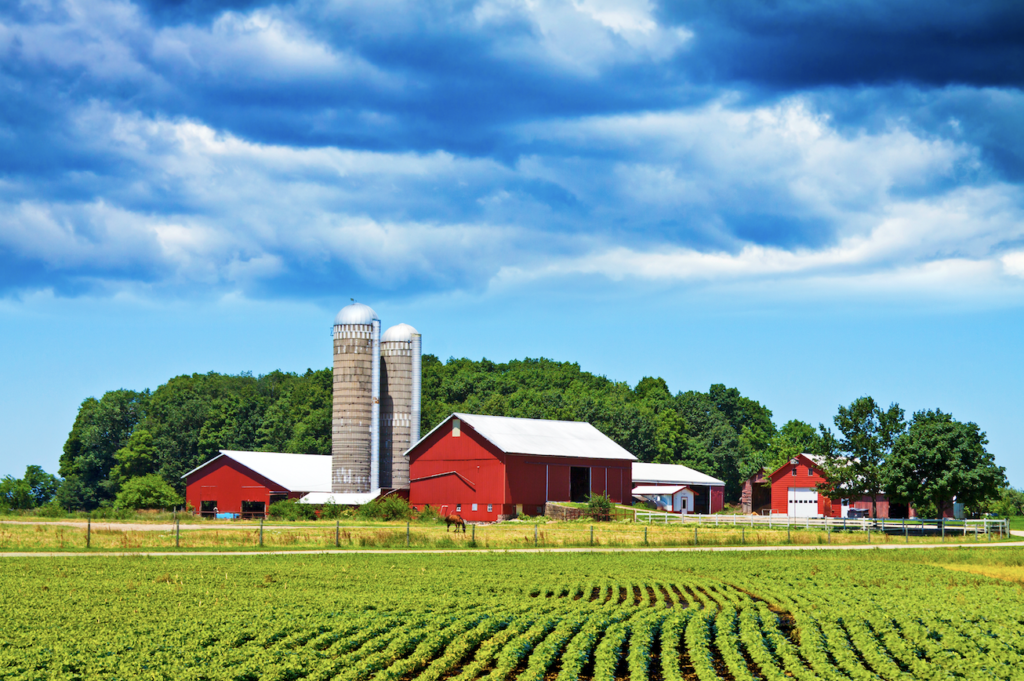
Buying land is exciting, but financing it is often more complicated than buying a house. Unlike traditional home mortgages, land loans are based on the property’s intended use, its current level of development, and the lender’s assessment of risk. The loan that makes sense for a build-ready homesite may not be the right fit for a hunting property, working ranch, or investment tract.
Understanding your financing options before making an offer can save you money, shorten the closing process, and help you avoid surprises along the way. Whether you’re purchasing recreational acreage, farmland, timber property, or land to build your dream home, choosing the right loan is an important part of making a successful investment.
In this guide, we’ll explain the 12 most common types of land loans, how each one works, who they’re best suited for, and the situations where they can make the most sense.
How Are Land Loans Different From Traditional Mortgages?
When you buy a home, the house itself provides immediate collateral for the lender. Vacant land is different. Until improvements are made, undeveloped property is generally considered a higher-risk investment, which is why land loans often require larger down payments, shorter repayment terms, and slightly higher interest rates.
Lenders evaluate several factors when reviewing a land loan application, including:
- How the property will be used
- Whether utilities and road access already exist
- The property’s location and market demand
- Your credit profile and available cash reserves
- Your plans for development or long-term ownership
The more developed and accessible the property is, the easier financing typically becomes.
LandBrokerMLS Pro Tip
Before shopping for financing, decide exactly how you plan to use the property over the next five to ten years. Lenders often tailor loan options around your intended use, and having a clear plan can improve your financing options.
The Three Primary Categories of Land Loans
Most land loans fall into one of three broad categories. These classifications describe how developed the property is today and help determine interest rates, loan terms, and down payment requirements.
Raw Land Loans
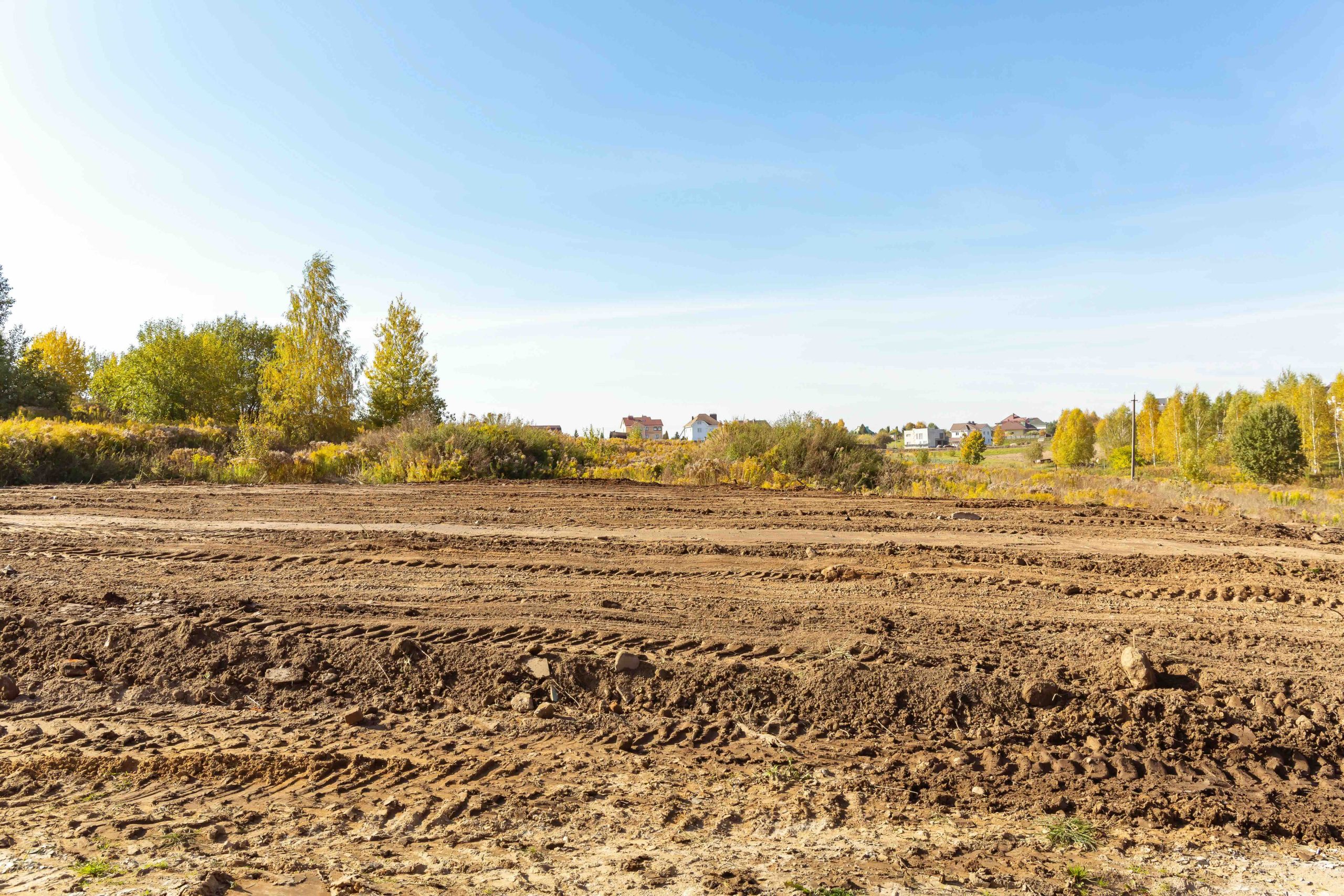
Raw land has little or no existing infrastructure. These properties typically lack utilities, road improvements, wells, septic systems, or other development. Because they’re considered the highest-risk type of land purchase, they usually require the largest down payments and carry the highest interest rates.
Undeveloped (Unimproved) Land Loans
Unimproved land sits between raw acreage and fully developed property. These parcels often have legal road access and nearby utilities but still require additional improvements before construction can begin. Financing is generally easier than for raw land, although loan terms are still more conservative than traditional mortgages.
Improved Land Loans
Improved land already includes much of the infrastructure needed for future development. Roads, electricity, water, septic systems, or other improvements reduce lender risk and often result in more competitive financing options.
Quick Comparison of the 12 Most Common Land Loan Types
| Loan Type | Best For | Typical Risk Level |
|---|---|---|
| Raw Land Loan | Long-term investment or recreational acreage | High |
| Undeveloped Land Loan | Future homesites and hobby farms | Moderately High |
| Improved Land Loan | Build-ready lots and rural homesites | Moderate |
| Construction Loan | Building immediately after purchase | Moderately High |
| Land Contract | Flexible seller financing | Varies |
| Land Equity Loan | Using existing land equity | Moderate |
| Bridge Loan | Buying before selling another property | Moderately High |
| Land Improvement Loan | Adding value to existing acreage | Moderate |
| Farm Credit Loan | Agricultural and rural property | Competitive |
| Operating Loan | Farm and ranch working capital | Short-term |
| Seller Financing | Unique rural properties | Negotiable |
| Private or Partner Financing | Development and investment projects | Varies |
Now let’s take a closer look at each loan type and where it fits into different land buying situations.
1. Raw Land Loans
A raw land loan is designed for property with little or no existing infrastructure. These parcels typically don’t have utilities, improved road access, wells, septic systems, or buildings. While raw land often offers the greatest long-term upside, it also carries the most risk from a lender’s perspective.
Because there’s no immediate income or improvements supporting the property’s value, lenders usually require larger down payments, shorter repayment periods, and higher interest rates than you would see with a traditional mortgage.
Raw land loans are commonly used for:
- Large recreational properties
- Timberland investments
- Hunting and fishing land
- Long-term investment acreage
- Future development opportunities
Typical financing expectations
- Down payments of 20% to 35%
- Higher interest rates than improved property loans
- Strong credit and financial reserves are often required
- Shorter loan terms than residential mortgages
LandBrokerMLS Pro Tip
Raw land often provides the greatest flexibility because you aren’t paying for improvements you may never use. If you’re investing for appreciation or recreation, paying a little more in financing today may still produce an excellent long-term return.
2. Undeveloped (Unimproved) Land Loans
Undeveloped, or unimproved, land falls somewhere between raw acreage and fully improved property. These parcels often have legal road frontage, nearby electrical service, or other basic infrastructure, but still require additional work before construction can begin.
Since some improvements already exist, lenders generally view these properties as less risky than completely raw land. As a result, financing is often slightly easier to obtain and interest rates may be somewhat lower.
This type of financing works well for:
- Future homesites
- Small farms and hobby ranches
- Country living properties
- Land that will be developed over the next several years
Typical financing expectations
- Down payments around 20% to 30%
- Competitive rates compared to raw land
- Moderate underwriting requirements
- Flexibility for buyers planning future improvements
Many buyers choose unimproved land because it offers a balance between affordability and future potential. The property is often usable immediately for recreation while allowing owners to improve it over time.
3. Improved Land Loans
Improved land already has many of the features lenders like to see. Utilities, road access, water service, septic systems, or site preparation are often already complete, making these properties much closer to being build-ready.
Because much of the development work has already been completed, lenders typically offer better financing terms than they do for raw or unimproved acreage.
Improved land is commonly purchased for:
- Custom home construction
- Country homesites
- Small ranch headquarters
- Retirement properties
- Investment lots ready for future resale
Typical financing expectations
- Lower risk from a lender’s perspective
- More favorable interest rates
- Longer repayment options
- Down payments beginning around 20%
If your goal is to build within the next year or two, improved land financing is often one of the most attractive options available.
LandBrokerMLS Pro Tip
Utilities and road access don’t just improve financing. They can also increase resale value and reduce unexpected development costs later. Always verify exactly which improvements are already in place before closing.
4. Construction Loans
If you’re planning to build shortly after purchasing land, a construction loan may be the right financing solution. Rather than simply financing the property itself, these loans are structured to fund both the land purchase and the construction process.
Unlike a traditional mortgage, construction loans release money in stages as work is completed. These payments, often called draws, help fund everything from site preparation and foundation work to the final stages of construction.
Construction loans are ideal for:
- Primary residences
- Barndominiums
- Cabins and vacation homes
- Agricultural buildings
- Shops and equipment storage facilities
Before approving a construction loan, lenders typically require:
- Building plans
- A detailed construction budget
- A licensed builder or contractor
- Permits where required
- A projected completion timeline
Once construction is finished, many buyers refinance into a traditional mortgage with a longer repayment period and fixed interest rate.
5. Land Contract (Contract for Deed)
A land contract, sometimes called a contract for deed, is a financing arrangement where the seller acts as the lender instead of a bank. Rather than receiving financing from a traditional financial institution, the buyer makes payments directly to the seller according to terms both parties agree upon.
Unlike a conventional mortgage, the seller typically retains legal title until the contract has been paid in full. Once the agreed-upon payments are completed, ownership transfers to the buyer.
Land contracts are fairly common in rural real estate, particularly for recreational properties, hunting land, and small acreage where conventional lenders may be hesitant to finance the purchase.
Land contracts are often a good fit for:
- Buyers who may not qualify for traditional financing.
- Unique or difficult-to-finance rural properties.
- Purchases where both buyer and seller want flexibility.
- Faster closings with fewer lender requirements.
Advantages
- Flexible qualification standards.
- Negotiable down payments and payment schedules.
- Potentially faster closing process.
- Customized loan terms between buyer and seller.
Things to Consider
- Interest rates may be higher than conventional financing.
- Review the contract carefully with an attorney before signing.
- Understand what happens if payments are missed.
LandBrokerMLS Pro Tip
Seller financing can create opportunities that simply aren’t available through traditional lenders. If both parties are flexible, it can become a true win-win transaction.
6. Land Equity Loans
If you already own land, you may be able to use the equity you’ve built to finance another purchase or improvement project. A land equity loan works much like a home equity loan, allowing you to borrow against the value of your existing property without selling it.
Landowners often use these loans to purchase neighboring acreage, improve existing property, invest in equipment, or fund development projects.
Common uses include:
- Purchasing adjacent property.
- Building roads or installing utilities.
- Developing hunting or recreational land.
- Funding agricultural improvements.
- Providing down payment funds for another purchase.
Lenders typically evaluate:
- The current appraised value of your land.
- Outstanding debt against the property.
- Your credit profile.
- Your intended use of the borrowed funds.
If you’ve owned land for several years and values have appreciated, a land equity loan can be an effective way to leverage that appreciation without giving up ownership.
7. Residential Bridge Loans
Real estate opportunities don’t always happen on your schedule. Sometimes the perfect property becomes available before you’ve sold your current home or another piece of land. That’s where a bridge loan can help.
A bridge loan provides temporary financing that allows you to purchase a new property while waiting for another asset to sell. Once the original property sells, those proceeds are typically used to pay off the bridge loan.
Bridge loans are commonly used when:
- You’ve found the right property before selling your current one.
- You need to move quickly in a competitive market.
- Your cash is temporarily tied up in another investment.
Advantages
- Quick access to capital.
- Allows buyers to compete with cash-like offers.
- Prevents missing desirable properties because of timing.
Things to Consider
- Higher interest rates than permanent financing.
- Short repayment periods.
- Requires a realistic exit strategy.
8. Land Improvement Loans
Sometimes purchasing the property is only the beginning. Land improvement loans are designed to finance projects that increase a property’s usability and overall value.
Instead of funding the acquisition itself, these loans help pay for improvements that make the property more functional, more attractive to future buyers, or more productive for agricultural operations.
Common improvements include:
- Road construction.
- Driveways.
- Water wells.
- Electrical service.
- Septic systems.
- Fencing.
- Ponds and reservoirs.
- Irrigation systems.
- Drainage improvements.
Many buyers choose to improve land gradually over several years instead of completing every project immediately after purchase. This approach can spread costs over time while steadily increasing property value.
LandBrokerMLS Pro Tip
Not every improvement provides the same return on investment. Improvements like legal access, utilities, water sources, and quality fencing often have the biggest impact on both usability and resale value.
9. Farm Credit System Land Loans
The Farm Credit System is a nationwide network of borrower-owned lending institutions that specializes in financing agricultural and rural properties. Because these lenders focus almost exclusively on rural real estate, they often understand farms, ranches, timberland, and recreational acreage better than traditional banks.
If you’re purchasing agricultural property or planning to live in a rural area, a Farm Credit lender may offer financing that’s better suited to your needs than a conventional mortgage.
Farm Credit loans are commonly used for:
- Working farms
- Cattle ranches
- Rural homes with acreage
- Timberland
- Agricultural improvements
Advantages
- Lenders who specialize in rural real estate.
- Financing designed around agricultural operations.
- Competitive long-term financing for qualifying borrowers.
- Experience evaluating rural property values.
10. Farm or Ranch Operating Loans
Unlike land loans that finance the purchase of real estate, operating loans provide the working capital needed to run a farm or ranch. These short-term loans help cover seasonal expenses and day-to-day operating costs.
Many agricultural producers use operating loans alongside their land financing to purchase seed, fertilizer, livestock, equipment, fuel, or other inputs needed throughout the year.
Operating loans are commonly used for:
- Crop production expenses.
- Livestock purchases.
- Feed and fertilizer.
- Equipment repairs.
- Seasonal operating costs.
Repayment schedules are often designed around harvests, livestock sales, or other seasonal income, making them a practical financing tool for agricultural businesses.
11. Seller Financing
Seller financing is exactly what it sounds like. Instead of borrowing money from a bank, the buyer makes payments directly to the property owner according to mutually agreed-upon terms.
Seller financing is particularly common in rural real estate because many landowners own their property free and clear and are willing to finance qualified buyers.
Seller financing may be a good option if:
- The property doesn’t meet traditional lending guidelines.
- You need a faster closing.
- Both parties want flexible loan terms.
- The seller prefers monthly income instead of a lump-sum payment.
Advantages
- Flexible down payments.
- Negotiable interest rates and repayment schedules.
- Less paperwork than many traditional loans.
- Can help buyers purchase unique rural properties.
LandBrokerMLS Pro Tip
Even when financing is provided by the seller, it’s still important to have the purchase agreement reviewed by a real estate attorney to protect both parties.
12. Private or Partner Financing
Some land purchases don’t fit neatly into traditional lending guidelines. Large investment properties, development opportunities, and multi-parcel acquisitions often require more flexible financing.
Private lenders and investment partners can provide funding for projects that banks may consider too complex or too speculative. While financing costs are often higher, these arrangements can make deals possible that otherwise wouldn’t happen.
Private financing is commonly used for:
- Large investment tracts.
- Land development projects.
- Subdivision opportunities.
- Commercial land investments.
- Joint venture acquisitions.
Every private financing arrangement is unique, so it’s important to clearly define ownership interests, repayment terms, and exit strategies before moving forward.
Frequently Asked Questions About Land Loan Types
What is the easiest type of land loan to qualify for?
Improved land loans are generally the easiest because the property already has roads, utilities, or other infrastructure that reduces lender risk.
Do land loans require larger down payments?
Yes. Most land loans require down payments of 20% or more, although the exact amount depends on the property, the lender, and your financial qualifications.
Can I finance raw land?
Absolutely. Many lenders offer raw land loans, but buyers should expect stricter underwriting, larger down payments, and higher interest rates compared to improved property.
Can I build immediately after buying land?
If the property is build-ready, a construction loan may allow you to finance both the land purchase and the construction of your home or other improvements.
What if I don’t qualify for a traditional land loan?
Alternatives such as seller financing, land contracts, Farm Credit lenders, private lenders, and investment partners may provide financing options when conventional loans aren’t available.
Finding the Right Financing for Your Land Purchase
Every piece of land is different, and so is every buyer. The right financing depends on your long-term goals, the property’s current condition, and how you plan to use it. Understanding your loan options before you begin shopping can make the buying process smoother and help you choose a property that fits both your vision and your budget.
If you’re ready to begin your search, browse thousands of farms, ranches, recreational properties, hunting land, timberland, and investment acreage on LandBrokerMLS.com. Listings are represented by experienced land professionals who understand the unique characteristics of rural real estate and can help guide you through every step of the buying process.

Charles Adams is the Chief Operating Officer of Land Broker MLS, where he oversees daily operations and strategic growth. With hands-on experience in land transactions, rural property markets, and real estate operations, he contributes expert insights to help buyers, sellers, and investors make informed decisions.