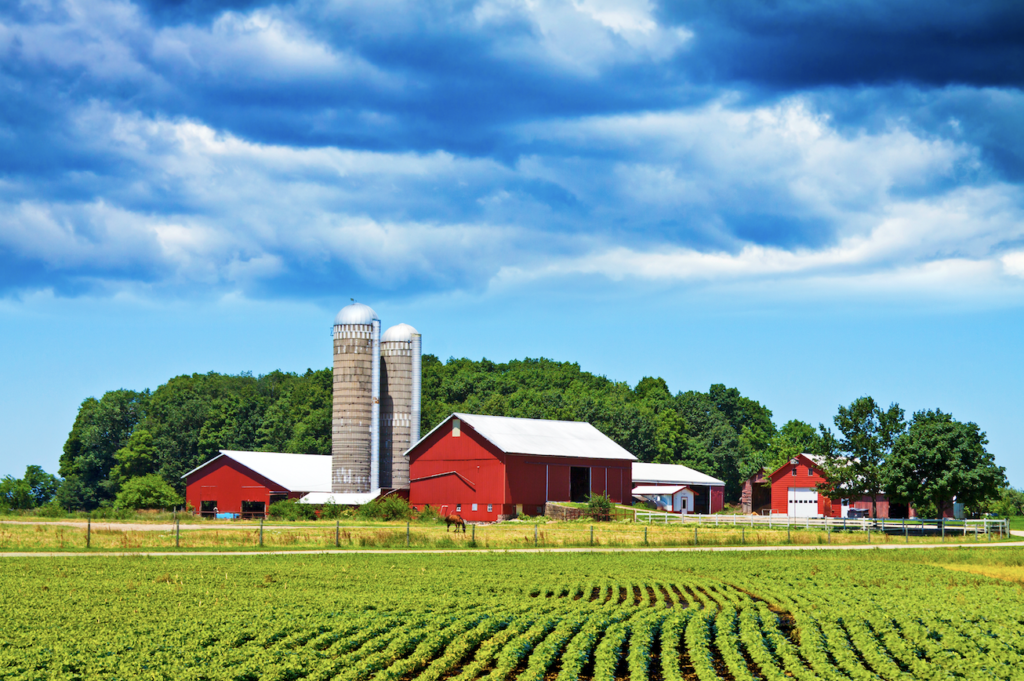

Some properties seem ordinary at first glance. Others have the characteristics that developers actively seek, often years before construction begins.Whether you’re an investor, developer, or landowner, understanding property development potential is essential for identifying land with long-term value.
The best development opportunities often share common characteristics, including favorable zoning, nearby infrastructure, buildable terrain, and growing market demand. By learning to recognize these signs early, you can spot promising properties before major development plans become public knowledge.
In this guide, we’ll explore 12 key clues that a property has serious development potential and explain why they matter when evaluating land for future investment or development.
1. The Property Is in the Path of Growth
One of the biggest indicators of future development is location. Areas experiencing population growth, infrastructure investment, and commercial expansion often create increasing demand for developable land.
Look for signs such as:
- New subdivisions within 5 to 10 miles
- Recently announced commercial or industrial projects
- New schools, hospitals, or distribution centers
- Expanding metropolitan boundaries
Developers prefer locations where demand is already emerging rather than places where they simply hope growth will arrive.
2. Zoning Supports Future Development
Zoning often provides one of the clearest clues about a property’s long-term potential.
Review local comprehensive plans, future land use maps, and zoning overlays to determine how local officials envision growth over the coming years.
Properties designated for medium-density residential, mixed-use, commercial, or planned developments often provide greater flexibility and stronger upside than parcels with restrictive zoning classifications.
Modern GIS mapping tools also make it easier than ever to evaluate zoning before investing significant time or money.
3. Utilities Are Already Nearby
Access to infrastructure can dramatically improve a property’s development feasibility.
When water, sewer, electricity, and broadband already exist near the property, developers can often reduce costs and accelerate project timelines.
| Infrastructure | Why It Matters |
|---|---|
| Public water and sewer | Reduces development costs for residential and mixed-use projects |
| Three-phase power | Supports commercial and industrial users |
| High-speed internet | Essential for modern residential and business demand |
| Paved road access | Improves accessibility and lender confidence |
The closer these services are to the property, the more attractive the site becomes.
4. The Site Has Excellent Access and Visibility
Easy access can significantly increase a property’s value.
Land with frontage on major roads, highway interchanges, or signalized intersections often commands premium pricing because it supports higher traffic counts and easier access.
Visibility is especially valuable for retail, mixed-use, and commercial developments, while strong transportation access benefits nearly every type of project.
5. The Terrain Is Easy to Build On
Even desirable locations can become expensive if the land itself presents construction challenges.
Generally, developers prefer:
- Relatively flat terrain
- Gentle slopes
- Stable soils
- Predictable drainage patterns
Steep slopes, rock formations, ravines, and poor soil conditions can substantially increase grading, engineering, and construction costs.
Evaluating topography early can prevent costly surprises later in the development process.
6. Environmental Constraints Are Manageable
Every property has limitations, but successful development often depends on whether those limitations can be reasonably managed.
Important factors to investigate include:
- Floodplains
- Wetlands
- Protected habitats
- Conservation easements
- Stormwater requirements
Reviewing FEMA maps, soil surveys, and environmental reports during due diligence helps determine how much of a property is actually developable.
7. Market Demand Supports Development
Development potential depends just as much on market demand as it does on physical characteristics.
Positive indicators include:
- Population growth
- Job creation
- Increasing home values
- Limited housing inventory
- Rising land prices
Strong demand suggests that new residential, commercial, or mixed-use projects are more likely to succeed.
8. Nearby Anchor Developments Create Opportunity
Established destinations often drive additional development around them.
Properties located near schools, hospitals, universities, distribution centers, or major employers frequently benefit from increased demand for housing, services, and retail.
Access to parks, shopping, restaurants, and recreation can further strengthen a property’s long-term appeal.
9. There Is a Clear Legal Path to Development
A beautiful property may still face significant obstacles if legal issues exist.
Before investing, verify:
- Legal access
- Recorded easements
- Mineral rights ownership
- Restrictive covenants
- Previous planning approvals
Properties with prior site plans, preliminary plats, or documented discussions with planning departments may already have valuable groundwork completed.
10. The Data Supports the Opportunity
Modern land analysis relies heavily on data.
GIS technology allows buyers and developers to overlay aerial imagery, topography, flood zones, zoning, utilities, demographics, and transportation data into one comprehensive view.
When multiple data sources align with your investment thesis, it becomes much easier to evaluate risk and communicate the opportunity to lenders and partners.
11. The Property Offers Multiple Exit Strategies
The best development opportunities often provide flexibility.
A property might be suitable for:
- Holding for long-term appreciation
- Selling to another developer
- Building in phases
- Residential development today with higher-density potential in the future
Having multiple viable strategies reduces risk and allows investors to adapt as market conditions evolve.
12. Experienced Professionals Are Paying Attention
Sometimes the strongest signal comes from the professionals already active in the market.
When experienced land brokers, developers, and builders consistently show interest in a property, it often reflects genuine development potential.
Specialized land professionals understand zoning, infrastructure, environmental considerations, and market demand in ways that general real estate agents may not.
While every buyer should complete their own due diligence, paying attention to where experienced professionals focus their efforts can uncover opportunities earlier.
Final Thoughts
No single factor determines whether a property is ready for development. Instead, successful opportunities usually combine favorable location, supportive zoning, existing infrastructure, strong market demand, buildable terrain, and a realistic path to approvals.
The more of these indicators a property possesses, the greater its potential to become a successful residential, commercial, industrial, or mixed-use project.
Whether you’re buying, selling, or evaluating land, understanding these 12 clues can help you identify opportunities before they become obvious to everyone else.
Frequently Asked Questions
How can I tell if my land has development potential?
Look for a combination of strong location, supportive zoning, nearby infrastructure, manageable environmental constraints, and growing local demand. Properties with multiple positive indicators generally offer the greatest opportunity.
What should I check before buying land for development?
Start with zoning, legal access, utilities, environmental conditions, flood maps, and surrounding market trends. Proper due diligence can prevent costly surprises later.
Why is zoning so important?
Zoning determines what can legally be built and often influences density, project approvals, and long-term property value. Future land use plans can also provide insight into where communities expect growth.
Why do utilities matter so much?
Existing water, sewer, power, and internet service can significantly reduce development costs and shorten project timelines, making a property more attractive to builders and investors.
Who can help evaluate development potential?
An experienced land broker, civil engineer, surveyor, land-use attorney, and local planning department can provide valuable insight into whether a property is truly suitable for development.

Charles Adams is the Chief Operating Officer of Land Broker MLS, where he oversees daily operations and strategic growth. With hands-on experience in land transactions, rural property markets, and real estate operations, he contributes expert insights to help buyers, sellers, and investors make informed decisions.