Most people don’t buy acreage on a whim; they buy it to solve a problem, support a lifestyle, or build long‑term wealth. Knowing why you’re buying is the single most important step in choosing the right property and avoiding costly regrets. This guide walks through 9 common types of acreage buyers and helps you decide which one you are so you can narrow your search and work smarter with a land professional.
1. The Future Homesite Builder
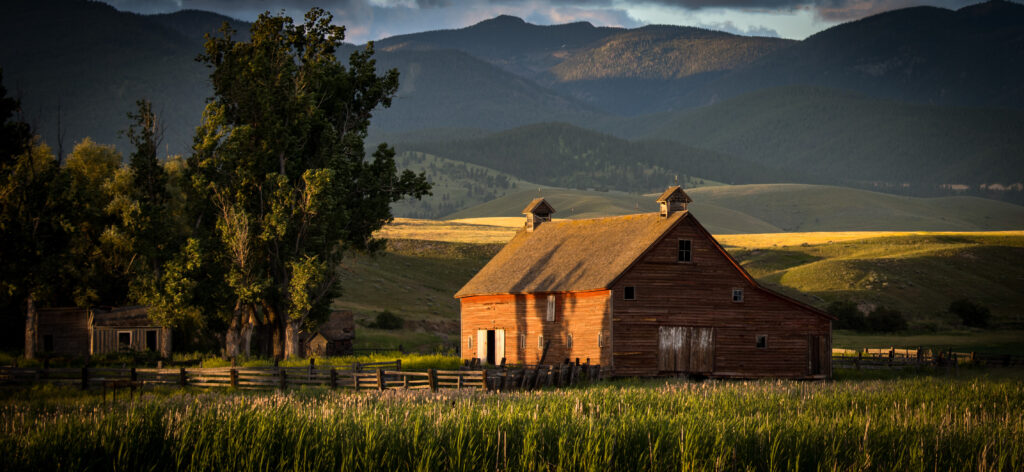
A future homesite buyer wants a clean, buildable piece of ground where a primary home, barn dominium, or cabin will eventually sit. You care about schools, drive time, utilities, and how the property will “live” day to day more than you care about trophy wildlife or row‑crop yields.
Typical priorities
- Road access and commute time to work, school, or town
- Availability of utilities (power, water, internet) or realistic alternatives
- Suitable building sites, soil, drainage, and elevation
- Zoning and deed restrictions that allow your vision (house, shop, guest home, ADU)
How to know this is you
If you find yourself sketching floor plans more than food plots and browsing acreage “near town” instead of deep in the backcountry, you’re likely a future homesite builder. Make sure your search focuses on acreage listings marketed for home sites or “houses with acreage” in your preferred state or metro area.
2. The Hobby Farmer or Homesteader
Hobby farmers and homesteaders want enough land to produce food, support livestock, and gain a measure of self‑reliance. Your dream is a garden, a few cows or goats, maybe a small orchard, and room for barns and greenhouses.
Typical priorities
- Productive soils and workable topography for small‑scale crops or pasture
- Reliable water sources (wells, ponds, creeks, or irrigation options)
- Outbuildings or space to build barns, sheds, and equipment storage
- Local regulations around livestock, on‑site sales, and agricultural exemptions or tax status
How to know this is you
If you’re calculating how many chickens per acre or planning raised beds, you probably fall into this group. Look for acreage marketed as “farms,” “hobby farms,” or “homesteads” and pay close attention to soil quality, water, and existing improvements in the listing details.
3. The Production Farmer or Rancher
Production buyers are focused on income and scale: row crops, pasture, grazing leases, hay, or a working cattle operation. You’re looking at return on investment, stocking rates, and how the property fits into your broader operation.
Typical priorities
- Soil types, productivity indexes, and historical yield data
- Grazing capacity, fencing, cross‑fencing, and water for livestock
- Existing ag infrastructure (corrals, barns, silos, working pens)
- Current leases, commodity markets, and how the acreage complements your other land
How to know this is you
If you read listings for acreage and immediately scan to “tillable acres,” “irrigated,” or “AUMs,” you’re an income‑oriented producer. Work closely with a land broker who understands agricultural markets and can provide accurate operating and lease data for candidate properties.
4. The Recreational or Hunting Land Buyer
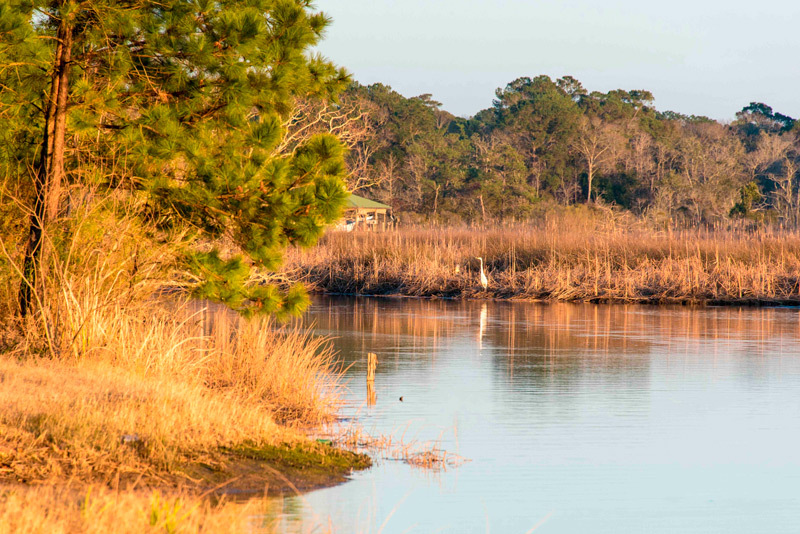
Recreational buyers want a place to breathe: hunting, fishing, trail riding, camping, or a family retreat. The land is about experiences and memories more than spreadsheets and cap rates, though value still matters.
Typical priorities
- Wildlife habitat quality, cover, food sources, and water
- Access for ATVs, UTVs, horses, or hiking, plus overall privacy
- Mix of timber, open ground, and potential food plot locations
- Proximity to home for weekend trips and any hunting or firearm regulations
How to know this is you
If you filter listings for “recreational land,” “hunting land,” or “ranch getaway” and picture your family’s first deer or campfire, this is your category. Ask your broker about game history, neighboring land use, and any conservation easements that impact how you can improve habitat.
5. The Long‑Term Land Investor
Long‑term land investors primarily see acreage as a store of value and a hedge against inflation, with optional upside from appreciation or future development. You may or may not plan to personally use the property right away.
Typical priorities
- Market trends in the region: population growth, infrastructure plans, and economic drivers
- Zoning and future land‑use plans that could allow higher‑value uses
- Ability to lease the land (ag, grazing, hunting, solar, etc.) to offset holding costs
- Liquidity factors: parcel size, access, and how “marketable” it will be at resale
How to know this is you
If you’re comparing acreage the same way you compare other assets—returns, risk, and time horizon—you fit this profile. Partner with a land specialist who can walk you through due diligence, financing options like land loans, and market data for appreciation potential in your target states.
6. The Residential or Commercial Developer
Developers buy acreage with a project in mind: a subdivision, multifamily units, retail center, or mixed‑use project. Your primary concern is whether the land will support your plan from both a regulatory and financial standpoint.
Typical priorities
- Current zoning, comprehensive plans, and likelihood of rezoning
- Access to municipal utilities, roads, and future infrastructure improvements
- Topography, floodplain, environmental constraints, and off‑site impacts
- Entitlement timelines and projected absorption of finished lots or space
How to know this is you
If you’re reading acreage descriptions and immediately sketching lot layouts, traffic flow, or site plans in your head, you’re a developer type. Involve an experienced land broker early; they can help you find tracts already positioned for residential or commercial development across multiple states and filter listings accordingly.
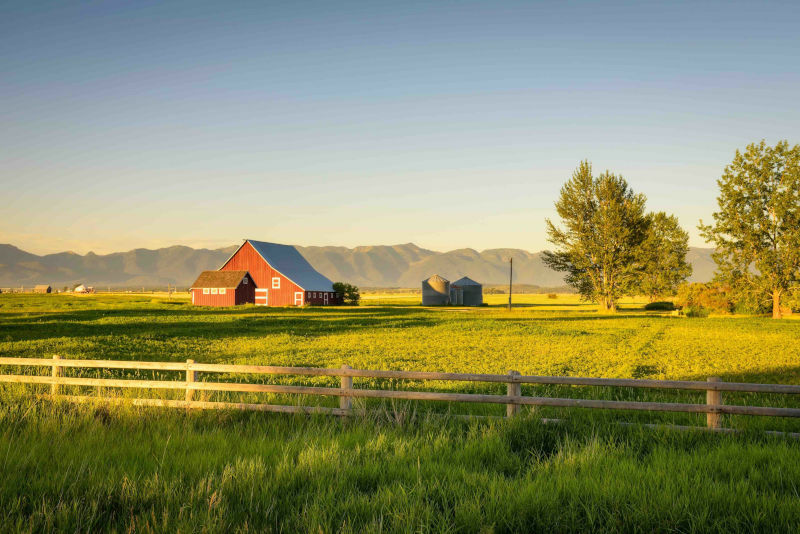
7. The Lifestyle Ranch or Retreat Buyer
Lifestyle ranch buyers want a mix of comfort, scenery, and usable land—think horse properties, small ranches, or weekend retreats. You want enough acres to feel “out there” without taking on a full‑time ag operation.
Typical priorities
- Attractive setting: views, water features, mature trees, and overall aesthetics
- A comfortable home or lodge, guest quarters, and outdoor living spaces
- Horse‑friendly or livestock‑friendly improvements (barns, arenas, fencing)
- Access to nearby towns, airports, and services while preserving privacy
How to know this is you
If you gravitate toward listings labeled “ranches,” “horse properties,” or “guest ranches” and you’re imagining holiday gatherings and long weekends rather than maximum yield per acre, you’re in this camp. Ask your broker to focus on properties that already offer the lifestyle you want so you don’t overspend on improvements later.
8. The Land Flipper or Value‑Add Buyer
Value‑add buyers hunt for inefficiencies: mispriced acreage, under‑market improvements, or tracts that can be subdivided, cleaned up, or repositioned. Your plan is to create value—then sell or refinance.
Typical priorities
- Properties with obvious problems you can solve (access, brush, outdated improvements)
- Zoning or subdivision potential that others have overlooked
- Local comps and days‑on‑market data to validate after‑repair or post‑subdivision value
- Clear exit strategies and realistic timelines for your projects
How to know this is you
If you scroll acreage listings looking for “fixers,” long days‑on‑market, or properties that could be split into smaller tracts, this is your buyer type. Work with a land professional who is candid about local absorption and the actual cost and timeline of your planned improvements.
9. The Legacy or Family Heritage Buyer
Legacy buyers want a place that can stay in the family for generations: a ranch, farm, or retreat where kids and grandkids will gather. Appreciation matters, but memories, tradition, and long‑term stability matter more.
Typical priorities
- Long‑term stability of the area (no imminent major industrial or highway projects)
- Enough acres and diversity of uses to serve different family interests over time
- Conservation potential, tax planning, and estate considerations
- Year‑round usability: access in all seasons, basic infrastructure, and safety
How to know this is you
If your first thought when you see a beautiful tract is, “My grandkids would love this,” you’re likely a legacy buyer. Talk with a land broker about properties that offer both recreational value now and solid fundamentals for the future, and consider how ownership will be structured for the next generation.
How to Choose Which Type of Acreage Buyer You Are
You don’t have to fit neatly into a single box, but naming your primary buyer type will clarify your search and negotiations. A future homesite buyer who shops like a production farmer, or a legacy buyer who buys like a flipper, is more likely to end up with a property that doesn’t match their real goals.
Step 1: Rank Your Top Three Motivations
List the top three reasons you want acreage—examples include: “build our forever home,” “start a small cattle operation,” “weekend hunting camp,” or “long‑term investment.” Then match those reasons to the buyer types above; the one that aligns with your top two motivations is usually your main category.
Step 2: Define Non‑Negotiables and Nice‑to‑Haves
Before browsing listings, decide what you cannot compromise on: acreage size range, maximum budget, distance from town, or specific uses (livestock, hunting, commercial). Everything else—views, existing structures, cosmetic features—can fall into “nice‑to‑have” and evaluated later.
Step 3: Match Your Type to Search Filters
Once you know your buyer type, use listing filters to search smarter on acreage platforms.
Frequently Asked Questions About Buying Acreage
- How do I figure out what type of acreage buyer I am?
Start by naming your primary goal (future homesite, production ag, recreation, development, long‑term investment, lifestyle ranch, value‑add, or legacy), then rank your top motivations and non‑negotiables to see which profile matches you best. - Why does my buyer type matter when I search for land?
Your buyer type determines what really matters—commute and utilities for a homesite buyer, soils and stocking rates for producers, habitat and privacy for recreational buyers, or zoning and path‑of‑growth for developers—so it helps you filter listings and negotiate without chasing the wrong properties. - Can I fit into more than one acreage buyer category?
Many buyers blend types (for example, recreational plus legacy, or investor plus value‑add), but you should still pick a primary type so that when trade‑offs arise, you know whether lifestyle, income, or appreciation comes first. - Which buyer types care most about zoning and development potential?
Residential and commercial developers, long‑term land investors, and value‑add or flipper buyers are usually most focused on zoning, entitlement paths, and future land‑use plans, because their returns depend heavily on higher and better uses. - Which buyer types care most about lifestyle and “feel” of the land?
Future homesite builders, hobby farmers or homesteaders, recreational buyers, lifestyle ranch buyers, and legacy or family‑heritage buyers typically prioritize how the land lives day‑to‑day—access, scenery, privacy, water features, and family usability—over maximizing pure financial yield.

Charles Adams is the Chief Operating Officer of Land Broker MLS, where he oversees daily operations and strategic growth. With hands-on experience in land transactions, rural property markets, and real estate operations, he contributes expert insights to help buyers, sellers, and investors make informed decisions.