Search Brokers - Richard Kusel

profile

Richard Kusel

Co-Op Member Owner

company

Hayden Outdoors

location

Colorado

Contact

Fill in the Form below to send a message to this broker

topAd

Land for Sale from Richard Kusel

image

Big Springs I-80 Interchange

price

$850,000

acres

12.32 Acres

location

Big Springs, Nebraska, 69122

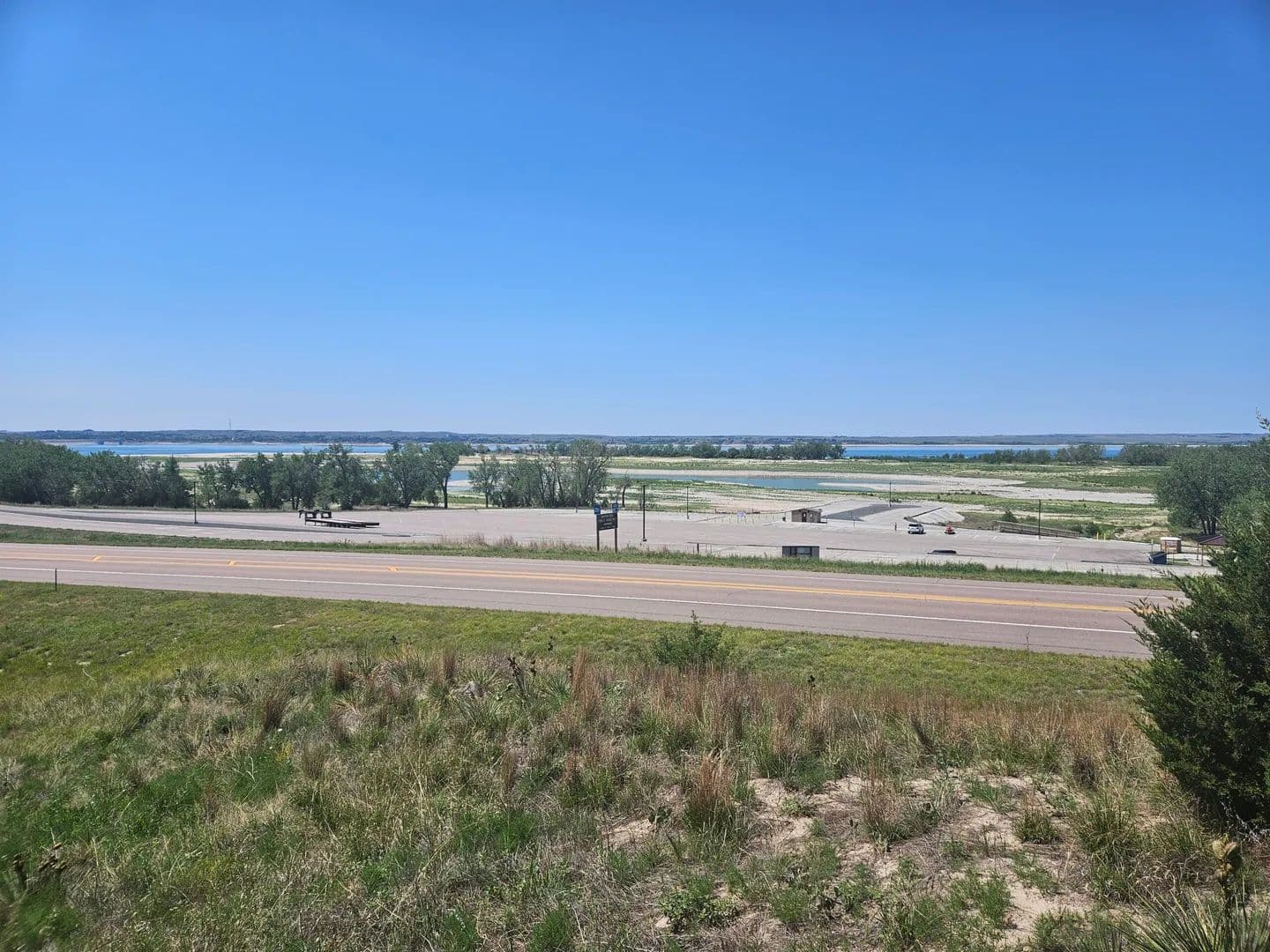
Big Springs I-80 Interchange is a 12.32 +/- acre parcel of raw farmland with excellent development potential. The property is located on the southeast corner of Exit 107 off Interstate I-80, the busiest Interstate runs the entirety of the U.S. from coast to coast. This is the only remaining undeveloped corner of this extremely busy intersection. Exit 107 is 5 miles east of the I-80 and I-76 interchange near the Nebraska and Colorado border.Land 12.32 acres of farmland with prime development potential accessed by a well-maintained paved frontage road.Thousands of tourists pass this prominent exit on I-80 either headed west to Colorado and Wyoming or coming from Colorado going to Lake McConaughy in Nebraska.Interstate I-80 is one of the busiest interstates in the nation with thousands of vehicles traveling it daily.There are two well established truck stops on the north side of this popular exit and there is a new Maverik convenience store currently across the street.Big Springs I-80 Interchange would be an ideal location for a motel/hotel and or a restaurant.The land is practically level and would require very little grading for construction.Seller is motivated.Improvements Location! Location! Location! Vacant farmland located on a paved frontage road with access to natural gas, electrical service and city water.Recreation Big Springs I-80 Interchange is located on the quickest route to Western Nebraska’s recreational jewel, beautiful Lake McConaughy. Thousands of tourists pass by this location on their way to the lake.Lake McConaughy, the recreational mecca of western Nebraska is the largest lake in the state with over 100 miles of shoreline, 35,700 surface acres of water, 24 miles long, 4 miles wide, and is famous for its white sand beaches. Each year, thousands of boaters, campers and outdoor enthusiasts make the Lake McConaughy area their destination for fun!In addition to Lake McConaughy which is fed by the North Platte River, you have Lake Ogallala at 320 surface acres “the little lake” nestled below Kingsley Dam (the 2nd largest earthen dam in the world). These two bodies of water provide endless opportunities for anglers of any skill level, young and old. The vast variety of fish you can catch between these two lakes include; Walleye, White Bass, Stripers, Wipers, Catfish, Northern Pike, Smallmouth Bass, Yellow Perch, Rainbow & Brown Trout. Lake McConaughy can accommodate virtually every type of watercraft you can imagine.Lake McConaughy and the North Platte River Valley also provide tremendous opportunities for hunters. This area is famous for duck and goose hunting. In addition to waterfowl hunting there is small game, varmints, White Tailed Deer, Mule Deer, and Pronghorn in the area.Agriculture Big Springs I-80 Interchange is currently planted to alfalfa with a well-established cover.Water/Mineral Rights & Natural Resources All appurtenant water rights associated with this property will transfer to Buyer at Closing.General Operations N/ARegion & Climate Big Springs, Nebraska gets 18 inches of rain, on average, per year. The US average is 38 inches of rain per year.Big Springs averages 28 inches of snow per year. The US average is 28 inches of snow per year.On average, there are 223 sunny days per year in Big Springs. The US average is 205 sunny days.Big Springs gets some kind of precipitation, on average, 60 days per year. Precipitation is rain, snow, sleet, or hail that falls to the ground. In order for precipitation to be counted you have to get at least .01 inches on the ground to measure.Weather HighlightsSummer High: the July high is around 90 degreesWinter Low: the January low is 14Rain: averages 18 inches of rain a yearSnow: averages 28 inches of snow a yearHistory Deuel County Where Wheat is KingDeuel County, in the southwestern part of the Nebraska panhandle, has its beginnings centered around the Union Pacific Railroad.  The name Deuel comes from a Union Pacific Railroad official by the name of Harry Porter Deuel.  Deuel County’s borders have changed dramatically over the years, it was originally part of Cheyenne County, but an election in 1889 formed Deuel County.  During another election, this time in 1909, the northern three-fourths of the county became what is today Garden County.On June 29, 1867 the Union Pacific Railroad began operation through Big Springs, which is named for the natural springs in the area that played a major component in the pioneering of the Union Pacific Railroad.  The natural springs were used for the steam engines, but over time as the engines got larger the springs could not keep up.  In 1907 a well was dug and water tank was erected in what is now Railroad Park.The railroad also went through Chappell in these days.  Charles Henry Chappell, an Illinois railroad man, was responsible for building the train depot in present day Chappell.  When lumber, rails, and other supplies were sent from Omaha to this area, the instructions would simply read, “Send this to Chappell.”  This is how Chappell acquired its name.Deuel County wasn’t completely free from trouble in these days.  The Sam Bass Gang robbed the Union Pacific Express Train No. 4 at Big Springs on September 18, 1877.  $60,000 in gold coin was taken.  They then robbed the coach passengers of their money and jewelry.  After this they held up the depot agent, John Barnhart, who was forced to destroy his telegraph instruments so he was unable to send a message for help.  The robbers finally extinguished the fire in the train’s engine, and headed off.  The next morning word of the robbery was received in Omaha and the gang was chased by law officials.  Three of the outlaws were killed and two others were never captured.  Sam Bass remained free until a new gang member set him up in Texas where he was killed.In Deuel County’s first official election on January 15, 1889, R. Lisco was named Sheriff and B.G. Hoover was named County Commissioner.  The next big decision was to determine which town would serve as the county seat.  The January 15 election named Big Springs as the county seat, but it only served as county seat for one day.  The towns of Big Springs, Chappell, and Froid each wanted to serve as county seat and a fierce battle began.  A special election was held on February 12, 1889.  Amazingly after the ballots were counted Big Springs had received 5608 votes, Chappell received 3288 votes, and Froid received 292 votes.  Many charges and allegations arose as Big Springs had only 200 legal voters and Chappell had only 275 legal voters.  What is believed to have happened is that Chappell voters heard big Springs had a vote of 3000, so they decided that they would surpass that number and stop.  Big Springs, however, didn’t stop.  The register charged election officials in Big Springs with inserting 1300 Ballots printed in Ogallala after the polls had closed.The controversy went to the courts and a judge ordered county offices to remain in Chappell for the time being.  In April of 1894 the battle continued in court with documented bitter and physical fights breaking out in the court room.  On May 7, 1894 Judge Silas Holcombe ruled that, “…The Board of County Commissioners of Deuel County Nebraska are hereby authorized and directed to call a new and special election for the permanent location of the County Seat in and for Deuel County Nebraska as required by law in all respects as though the paid special election on said 12 day of February 1889, had never occurred or taken place.”It took two elections that year before a majority vote was cast.  On June 23, 1894 Chappell was declared the winner with 437 votes as Big Springs only received 344 votes.  On August 11, 1894 the Board of Commissioners officially declared Chappell as the County Seat of Deuel County.In 1915 the present-day courthouse was built.  The 60×70 foot building has two floors in addition to the basement.  The basement houses the Sheriff’s office, jail, surveyor’s office, maintenance rooms, as well as two storage vaults.  The first floor is occupied by the County Commissioners, Clerk, Assessor, Treasurer, and vaults for those offices.  The second floor is mainly used for the District Court.The first county fairs were held in Big Springs from 1889 up until 1932.  After that year the county fair was moved to Chappell, where it is still held every August.Big Springs and Chappell both have their own high schools.  Big Springs is consolidated with Brule to from South Platte, a class D-2 school, and Chappell is a D-1 school.  The schools are highly successful in both academics and sports.  There is always a strong competition going on for the “Deuel County Championship” in sports.The county has grown over the years; Chappell now has a population of 983, Big Springs has 418, and there are approximately 500 more people living outside the city limits.  37 of these people are county employees.  In November of 2002 the largest flag in the state of Nebraska was officially dedicated.  The large flag was painted on the side of Farmer’s Elevator and can be seen from Interstate-80, and is something that all residents of Deuel County are proud of.    Deuel County continues to be a prosperous farming area.  Crops such as wheat, corm, millet, sunflowers, milo, and oats are grown throughout the county.  The larger ranches also grow alfalfa for their animals.  Deuel County has rightfully taken on the motto: Deuel County, Where Wheat is King.Written by Jason Kepler, Class of 2003This article was from: Deuel County HistoryLocation Big Springs I-80 Interchange is located on the southeast corner of Exit 107 at Big Springs on Interstate I-80 approximately 450 miles west of Omaha, NE, 150 miles east of Cheyenne, WY, 190 miles northeast of Denver, CO and 5 miles from the I-80 and I-76 interchange.

logo
image

Oak Creek Station

price

$300,000

acres

35.16 Acres

location

Oak Creek, Colorado, 80467

Oak Creek Station is a fantastic 35 +/- acre tract of undeveloped land with .67 mile of Oak Creek meandering through it, tremendous access via CO State Hwy 131 and Routt Co Rd 179 only a short 20 minute drive to Steamboat Springs and an hour from the Yampa Valley Regional Airport.Oak Creek Station has multiple potential building sites with electrical service near the property.Recreational opportunities are endless.Land This 35 +/- acre tract varies from mountainous to creek bottom, covered in native grass and trees.Recreation Oak Creek Station offers endless recreational opportunities from hunting, fishing, hiking and mountain biking  to skiing on the famous slopes of the Steamboat Ski Resort.Region & Climate The climate in the Oak Creek area is mild with significant rainfall. Even in the driest month there is a lot of rain. This location is classified as Dfb by Köppen and Geiger.  The rainfall here is around 33.4 inch per year.History Oak Creek and the surrounding area’s legacy is directly linked to the area’s coal fields and the Denver & Salt Lake Railroad. Small mines historically supplied coal to the region but major production was not possible, nor profitable, without year-round transportation. In the early 1900s, rail was laid from Denver across the Continental Divide to towns along the Yampa River Valley.In 1916, 1,400 men “broke rock” in the coal mines and from the 1920s through the 1940s Oak Creek was the largest town in Routt County.Immigrants from around the world worked the coal mines surrounding Oak Creek from the early 1900s. The number of different ethnic groups was unusually high for its population during the 1920s to the 1940s. Today, the town embraces its diversity and heritage.The Oak Creek and Phippsburg Historical Society keeps the region’s heritage alive with the Tracks & Trails Museum. Coal mining memorabilia is featured at Bucket Park on Main Street in Oak Creek and the indoor museum exhibits tell the stories of miners, railroaders, and founding families.Location This property is located between Oak Creek and Steamboat Springs along CO State Hwy 131 and is also accessed by Routt County Rd. 179The property is a short 20 minute drive to either downtown Steamboat Springs or Steamboat Ski Resort, 10 minutes from Oak Creek and a little over an hour drive to the Yampa Valley Regional Airport.

logo
image

Wright’s Farm and Ranch

price

$13,250,000

acres

10,684 Acres

location

Akron, Colorado, 80720

Wright's Farm & Ranch located in Washington County, CO has been in the same family for over 75 years! The rare opportunity to purchase a farm and ranch combination of this magnitude in Eastern Colorado doesn't come around very often. Wright's Farm & Ranch consists of 10,684 +/- acres mostly contiguous with only a few outlying parcels. The main headquarters is situated on US Hwy 36 approximately 1.5 hours east of Denver.Land Wright’s Farm & Ranch consists of 4257 +/- acres of gently rolling to level, highly productive dryland farm ground with good soils, 5702 +/- acres of rolling native grass pastures, 85 +/- acres of improvements and 640 +/- acres of State of Colorado Land Board leased ground covered in native grass. The Sellers will assist with the transfer of the State leased land although the transfer of said lease will need to be approved by the State of Colorado Land Board and is not guaranteed by the Sellers.The pastures are well watered with strategically placed large water tanks being supplied with water through an extensive pipeline system, multiple springs, and several dirt tanks that retain natural runoff water. The perimeter and cross fences are in excellent condition.Seller will consider selling some parcels separately pending special provisions.Improvements Wright’s Farm & Ranch boasts excellent improvements. There are 2 very nice homes on this farm and ranch along with several outbuildings, a large grain complex with 355,000 bushels of grain storage, a 70′ truck scale w/scale house, 60’X175′ insulated shop w/concrete floor, 40’X100′ Quonset w/concrete floor, corrals with processing shoot and loadout, a backgrounding feedlot w/40’X140′ shop w/concrete floor and a calving barn.The main home is a wonderful 5276 sq ft  2 story brick home with 5 bedrooms, 4 1/2 baths, open kitchen/living room space with wood pellet stove. There is a utility elevator that accesses all floors. 2 office or open room spaces on main level, spacious laundry/mud room, large upstairs & downstairs open space with newly installed flooring, paint & trim. A 3 car attached garage, large patio with a 9 person hot tub and beautiful pergola & fire pit. The front yard has a decorative vinyl fence. The home has electric baseboard heat as well as an electric forced air furnace and central AC.The Foreman’s house is a 4096 sq ft brick home with 5 bedrooms, 3 bathrooms, there is wood pellet stove in living room, large basement under the newer addition that was added around 2004, 4 car attached garage, laundry/mud room, pantry & upstairs living space where two of the bedrooms are located and electric baseboard heat.Recreation Wright’s Farm & Ranch offers endless recreation from hunting small game and varmints to monster plains mule deer and pronghorn. You also have the opportunity to go hiking, biking or having fun on your ATV/UTV all on your own property!Agriculture Wright’s Farm & Ranch is a diverse dryland farm and cow/calf ranch combination. The dryland farming utilizes a mix of no-till and minimum till to produce winter wheat, corn and millet which are sold as cash crops and a variety of feed crops to supplement the ranches cattle operation.The dryland farm is highly productive and is in an area known for good yields.The Sellers operate the ranch portion as a commercial cow/calf herd, running predominately Angus based cows and Red Angus bulls. They generally wean and pre-condition the majority of their calf crop and will retain replacement quality heifers to put back into the herd and will sell most of the steers and remaining heifers to go to feedlots. The Sellers do finish some cattle and sell quality beef to various friends, family and consumers.The grass on the ranch is mostly contiguous allowing the cattle to be moved throughout the ranch without the need to do any hauling.There are several reputation grain elevators and livestock sale barns in the area which enhance the marketing of grain and livestock produced on this farm and ranch.Water/Mineral Rights & Natural Resources All appurtenant water rights associated with this property will transfer to the Buyer upon Closing.There are no Mineral Rights included with the sale of this property.General Operations Dryland farming and cattle ranch.Region & Climate Wright’s Farm & Ranch is located in southern Washington County on the Eastern Plains of Colorado in an area that normally receives 14″ of annual rainfall, with low humidity and almost 300 days of sunshine per year.History The Eastern Plains of Colorado  have long been the hunting grounds for Native Americans and early settlers, once tens of thousands of bison roamed these grass covered rolling hills and lush stream bottoms. The area was also grazing territory for the historic cattle drives from Texas to Montana.  Most recently this area has mainly been utilized for ranching or dryland farming.Location Wright’s Farm & Ranch is located along US Hwy 36 between the small communities of Anton and Lindon, approximately 1 1/2 hours east of Denver and DIA in Washington County. The farm and ranch is basically an hour south of Brush and I-76 and an hour north of Limon and I-70. Akron, the County Seat for Washington County and home to the Colorado Plains Regional airport is 30 minutes away. There are 2 schools (Woodlin and Arickaree) in the area.  Only a few minutes away from the headquarters in Anton you will find a grocery store and the Anton Coop gas/fuel station.

logo
image

The Wright Place

price

$947,600

acres

44 Acres

location

Akron, Colorado, 80720

The Wright Place is located in Washington County, CO and has been in the same family for over 75 years! The rare opportunity to purchase a fantastic acreage in Eastern Colorado doesn't come around very often. The home is situated on US Hwy 36 approximately 1.5 hours east of Denver.This beautiful 5 bedroom and 4 1/2 bath home is waiting for you! This property can be purchased separately or with additional land.Land 44 +/- acres that has been surveyed.Improvements The Wright Place boasts excellent improvements. The home is a wonderful 5276 sq ft  2 story brick home with 5 bedrooms, 4 1/2 baths, open kitchen/living room space with wood pellet stove. There is a utility elevator that accesses all floors. 2 office or open room spaces on main level, spacious laundry/mud room, large upstairs & downstairs open space with newly installed flooring, paint & trim. A 3 car attached garage, large patio with a 9 person hot tub and beautiful pergola & fire pit. The front yard has a decorative vinyl fence. The home has electric baseboard heat as well as an electric forced air furnace and central AC.Recreation The Wright Place offers endless recreation from hunting small game and varmints to monster plains mule deer and pronghorn. You also have the opportunity to go hiking, biking or having fun on your ATV/UTV all on your own property!Agriculture The Sellers currently operate a large ranch as a commercial cow/calf ranch and this is the main home.Water/Mineral Rights & Natural Resources All appurtenant water rights associated with this property will transfer to the Buyer upon Closing.There are no Mineral Rights included with the sale of this property.Region & Climate The Wright Place is located in southern Washington County on the Eastern Plains of Colorado in an area that normally receives 14″ of annual rainfall, with low humidity and almost 300 days of sunshine per year.History The Eastern Plains of Colorado  have long been the hunting grounds for Native Americans and early settlers, once tens of thousands of bison roamed these grass covered rolling hills and lush stream bottoms. The area was also grazing territory for the historic cattle drives from Texas to Montana.  Most recently this area has mainly been utilized for ranching or dryland farming.Location The Wright Place is located along US Hwy 36 between the small communities of Anton and Lindon, approximately 1 1/2 hours east of Denver and DIA in Washington County. The ranch is basically an hour south of Brush and I-76 and an hour north of Limon and I-70. Akron, the County Seat for Washington County and home to the Colorado Plains Regional airport is 30 minutes away. There are 2 schools (Woodlin and Arickaree) in the area.  Only a few minutes away from the headquarters in Anton you will find a grocery store and the Anton Coop gas/fuel station.

logo
image

Haythorn’s Lake McConaughy Vistas

price

$6,000,000

acres

632 Acres

location

Lemoyne, Nebraska, 69146

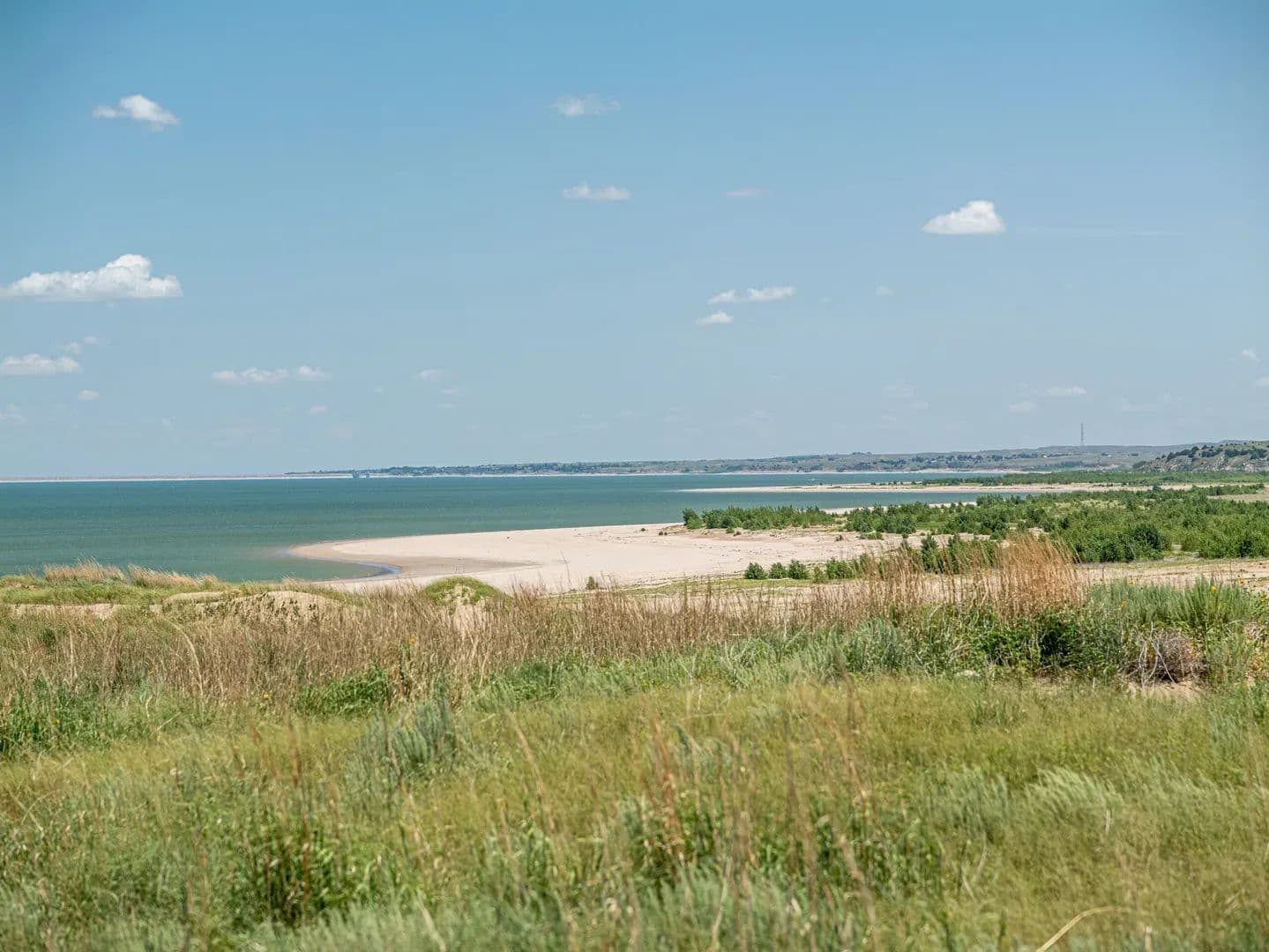
Haythorn's Lake McConaughy Vistas will be 10 plus acre lots determined by survey. The entire project is planned to be completed in 3 or 4 phases depending on the amount of interest in the lots. Haythorn's Lake McConaughy Vistas would also be a tremendous opportunity for a developer to take the reins of.The majority of the proposed lots will have lake views and great access to Lake McConaughy.Contact Rick Kusel or Clay Owens for information.Land There is approximately 632 total acres to be sold in 10.01+ acre lots.  Buyers will be able to purchase larger tracts if desired. Lots will be surveyed as needed.Improvements This is undeveloped land.Recreation Lake McConaughy, the recreational jewel of western Nebraska, is the largest lake in the state with over 100 miles of shoreline, 35,700 surface acres of water, 24 miles long, 4 miles wide, and is famous for its white sand beaches. Each year, thousands of boaters, campers and outdoor enthusiasts make the Lake McConaughy area their destination for fun! In addition to Lake McConaughy which is fed by the North Platte River, you have Lake Ogallala at 320 surface acres “the little lake” nestled below Kingsley Dam (the 2nd largest earthen dam in the world). These two bodies of water provide endless opportunities for anglers of any skill level, young and old. The vast variety of fish you can catch between these two lakes include; Walleye, White Bass, Stripers, Wipers, Catfish, Northern Pike, Smallmouth Bass, Yellow Perch, Rainbow & Brown Trout. Lake McConaughy can accommodate virtually every type of watercraft you can imagine. Lake McConaughy and the North Platte River Valley also provide tremendous opportunities for hunters. This area is famous for duck and goose hunting. In addition to waterfowl hunting there is small game, varmints, White Tailed Deer, Mule Deer, and Pronghorn in the area.Agriculture This property is currently native grass pasture.Water/Mineral Rights & Natural Resources All appurtenant water rights associated with this property/lots will transfer to the Buyer at Closing.General Operations N/ARegion & Climate Weather HighlightsSummer High: the July high is around 90 degreesWinter Low: the January low is 15Rain: averages 20 inches of rain a yearSnow: averages 30 inches of snow a yearHistory “Geography is often destiny.  It has always been so with Ogallala, a town that came into existence at the junction of the major routes of the transcontinental migrations and of the cattle trails north from Texas.”The Haythorn family homesteaded in the Lemoyne, NE area in 1884, some of the first to settle in the beautiful sandhills near the North Platte River.From 1870 to 1885, Ogallala was the “gateway of the Northern Plains”. Hard-bitten Wyoming and Montana cattlemen met in Ogallala’s hotel and saloons with Texas cattle kings and bargained over cattle prices. Gold flowed freely across the table, liquor across the bar, and occasionally blood across the floor as a bullet brought some unlucky cowhand to his death on the floorboards of Tuck’s Saloon.The first non-native visitors to this area were the trappers from St. Louis.Next came the pioneers who followed the Oregon Trail. To protect them, the government established forts at intervals along the trail. Then came the Union Pacific Railroad. It is assumed that Ogallala had its beginning about 1867. Settlers started to follow the railroad west, and the cattlemen started driving their cattle to Ogallala to be shipped east or to be sold to Montana and Wyoming ranchers.Ogallala’s early history was unspectacular, promising to be nothing but a section house and water tank for the railroad. Then, in the spring of 1868, three men appeared to set the destiny of Ogallala. These men were the Lonergan brothers and Louis Aufdengarten. The Lonergan brothers came to do construction work for the Union Pacific Railroad. They found the plains to their liking, and subsequently became interested in Ogallala.By 1876, Ogallala had changed little from its infant days in 1868. The stores were all south of the railroad tracks, and fronted what was called Railroad Street and the trail leading south to the Platte River.  Along this trail extended the rest of the town. The town consisted of saloons with such names as The Cowboy’s Rest and the Crystal Palace. The last building on the street was the Ogallala House – dining room widely patronized because of its excellent fare. It was run by S.S. Gast.By 1880, Ogallala consisted of one courthouse, one school, one hotel, two dwelling houses, and twenty-five permanent residents. The tempo of living in early Ogallala changed with the seasons. During the months of winter and early spring life was drab and dreary. Shortly after the first of June the town began to hum with activity as the first Texas trail herds started to arrive. During the three summer months business boomed – ten to twelve herds, each of two hundred or more trail hands taxed the facilities of Ogallala. Sleeping rooms and meals were hard to find when the trail hands were in town. Activities in Ogallala continued at a fever pitch until the end of August, by then the Texans were heading back to Texas; by November Ogallala had settled back in quiet and peaceful repose.Ogallala’s population of floaters, gamblers, trades-people and dance hall hostesses drifted to Omaha or Cheyenne to spend the winter. One hotel, one supply house and a single saloon remained open for the winter. The community sank into a state of inanimation until next spring.In 1882-1884, the settlers and farmers reached Ogallala. These men were encouraged by the Union Pacific Railroad because the railroad started selling their land at quite low prices.A serious epidemic of Texas fever swept over Nebraska during the summer of 1884. The disease first appeared near Ogallala in July apparently being brought in by Texas cattle. The disease spread quickly and it caused very heavy losses to the cattlemen. The ranchers had started to put expensive blooded bulls in their herds. These ranchers demanded that Texas cattle be excluded from Nebraska. This ban of Texas cattle was a damaging blow to the Texas trail herd business. This was the end of the trail period of Ogallala, as the wild, often violent town became a peaceful farmer’s settlement.Location Haythorn’s Lake McConaughy Vistas are on average 15 minutes from Ogallala and Interstate I-80, 3 .5 hours northeast of Denver, CO and 4.5 hours west of Omaha, NEThis property is only minutes away from the lake’s famous white sands beaches, a very popular boat ramp, convenience stores, many restaurants and bars.

logo
image

Wright’s Farm and Ranch Headquarters

price

$1,195,000

acres

44 Acres

location

Akron, Colorado, 80720

Wright's Farm and Ranch Headquarters is situated on 44 +/- acres on the north side of Hwy 36.This parcel is a part of a larger farm and ranch combination and can be sold separately or in conjunction with other parcels.The improvements included with this parcel are beyond imagine.Land 44 +/- acres with a tremendous set of improvementsImprovements Wright’s Farm and Ranch Headquarters house is a 4096 sq ft brick home with 5 bedrooms, 3 bathrooms, there is wood pellet stove in living room, large basement under the newer addition that was added around 2004, 4 car attached garage, laundry/mud room, pantry & upstairs living space where two of the bedrooms are located and electric baseboard heat.There is a large quonset, a calving barn, corrals with working chute, a tub and loadout, a nice feeding pen with fence line bunks, 355,000 bu. grain storage and leg, large insulated shop and numerous other support buildings.Recreation Wright’s Farm & Ranch Headquarters offers endless recreation from hunting small game and varmints to monster plains mule deer and pronghorn. You also have the opportunity to go hiking, biking or having fun on your ATV/UTV all on your own property!Agriculture This is a tremendous set of improvements located on the north side of Hwy 36.Water/Mineral Rights & Natural Resources All appurtenant water rights associated with this parcel will transfer to the Buyer at Closing.There are no mineral rights being transferred with this parcel.General Operations Farm and Ranch Headquarters.Region & Climate Wright’s Farm & Ranch Headquarters is located in southern Washington County on the Eastern Plains of Colorado in an area that normally receives 14″ of annual rainfall, with low humidity and almost 300 days of sunshine per year.History The Eastern Plains of Colorado  have long been the hunting grounds for Native Americans and early settlers, once tens of thousands of bison roamed these grass covered rolling hills and lush stream bottoms. The area was also grazing territory for the historic cattle drives from Texas to Montana.  Most recently this area has mainly been utilized for ranching or dryland farming.Location Wright’s Farm & Ranch Headquarters is located on the north side of US Hwy 36 between the small communities of Anton and Lindon, approximately 1 1/2 hours east of Denver and DIA in Washington County. The farm and ranch is basically an hour south of Brush and I-76 and an hour north of Limon and I-70. Akron, the County Seat for Washington County and home to the Colorado Plains Regional airport is 30 minutes away. There are 2 schools (Woodlin and Arickaree) in the area.  Only a few minutes away in Anton you will find a grocery store and the Anton Coop gas/fuel station.

logo
image

Haythorn’s Lake McConaughy Vistas Lots

price

$95,000

acres

10.01 Acres

location

Lemoyne, Nebraska, 69146

Haythorn's Lake McConaughy Vistas Lots are some of the best buildable locations at Lake McConaughy!These lots are in the perfect location to get to the best spots at the lake.The majority of the proposed lots will have lake views and great access to Lake McConaughy.Just begin to imagine your beautiful new lake home and spending days on the water.Contact Rick Kusel for information.Land 10.01 + acre lots available. Buyers will be able to purchase larger tracts if desired. Lots will be surveyed as needed.Lot prices are based on surveyed acres @ $9,500 per acre.Improvements None, this is undeveloped land.Recreation Lake McConaughy, the recreational jewel of western Nebraska, is the largest lake in the state with over 100 miles of shoreline, 35,700 surface acres of water, 24 miles long, 4 miles wide, and is famous for its white sand beaches. Each year, thousands of boaters, campers and outdoor enthusiasts make the Lake McConaughy area their destination for fun! In addition to Lake McConaughy which is fed by the North Platte River, you have Lake Ogallala at 320 surface acres “the little lake” nestled below Kingsley Dam (the 2nd largest earthen dam in the world). These two bodies of water provide endless opportunities for anglers of any skill level, young and old. The vast variety of fish you can catch between these two lakes include; Walleye, White Bass, Stripers, Wipers, Catfish, Northern Pike, Smallmouth Bass, Yellow Perch, Rainbow & Brown Trout. Lake McConaughy can accommodate virtually every type of watercraft you can imagine. Lake McConaughy and the North Platte River Valley also provide tremendous opportunities for hunters. This area is famous for duck and goose hunting. In addition to waterfowl hunting there is small game, varmints, White Tailed Deer, Mule Deer, and Pronghorn in the area.Agriculture Currently native grass pasture with lake views.Water/Mineral Rights & Natural Resources All appurtenant water rights associated with this property/lots will transfer to the Buyer at Closing.General Operations N/ARegion & Climate Keith County, Nebraska gets 20 inches of rain, on average, per year. The US average is 38 inches of rain per year.Keith County averages 27 inches of snow per year. The US average is 28 inches of snow per year.On average, there are 224 sunny days per year in Keith County. The US average is 205 sunny days.Keith County gets some kind of precipitation, on average, 68 days per year. Precipitation is rain, snow, sleet, or hail that falls to the ground. In order for precipitation to be counted you have to get at least .01 inches on the ground to measure.Weather HighlightsSummer High: the July high is around 90 degreesWinter Low: the January low is 15Rain: averages 20 inches of rain a yearSnow: averages 30 inches of snow a yearHistory “Geography is often destiny.  It has always been so with Ogallala, a town that came into existence at the junction of the major routes of the transcontinental migrations and of the cattle trails north from Texas.”The Haythorn family homesteaded in the Lemoyne, NE area in 1884, some of the first to settle in the beautiful sandhills near the North Platte River.From 1870 to 1885, Ogallala was the “gateway of the Northern Plains”. Hard-bitten Wyoming and Montana cattlemen met in Ogallala’s hotel and saloons with Texas cattle kings and bargained over cattle prices. Gold flowed freely across the table, liquor across the bar, and occasionally blood across the floor as a bullet brought some unlucky cowhand to his death on the floorboards of Tuck’s Saloon.The first non-native visitors to this area were the trappers from St. Louis.Next came the pioneers who followed the Oregon Trail. To protect them, the government established forts at intervals along the trail. Then came the Union Pacific Railroad. It is assumed that Ogallala had its beginning about 1867. Settlers started to follow the railroad west, and the cattlemen started driving their cattle to Ogallala to be shipped east or to be sold to Montana and Wyoming ranchers.Ogallala’s early history was unspectacular, promising to be nothing but a section house and water tank for the railroad. Then, in the spring of 1868, three men appeared to set the destiny of Ogallala. These men were the Lonergan brothers and Louis Aufdengarten. The Lonergan brothers came to do construction work for the Union Pacific Railroad. They found the plains to their liking, and subsequently became interested in Ogallala.By 1876, Ogallala had changed little from its infant days in 1868. The stores were all south of the railroad tracks, and fronted what was called Railroad Street and the trail leading south to the Platte River.  Along this trail extended the rest of the town. The town consisted of saloons with such names as The Cowboy’s Rest and the Crystal Palace. The last building on the street was the Ogallala House – dining room widely patronized because of its excellent fare. It was run by S.S. Gast.By 1880, Ogallala consisted of one courthouse, one school, one hotel, two dwelling houses, and twenty-five permanent residents. The tempo of living in early Ogallala changed with the seasons. During the months of winter and early spring life was drab and dreary. Shortly after the first of June the town began to hum with activity as the first Texas trail herds started to arrive. During the three summer months business boomed – ten to twelve herds, each of two hundred or more trail hands taxed the facilities of Ogallala. Sleeping rooms and meals were hard to find when the trail hands were in town. Activities in Ogallala continued at a fever pitch until the end of August, by then the Texans were heading back to Texas; by November Ogallala had settled back in quiet and peaceful repose.Ogallala’s population of floaters, gamblers, trades-people and dance hall hostesses drifted to Omaha or Cheyenne to spend the winter. One hotel, one supply house and a single saloon remained open for the winter. The community sank into a state of inanimation until next spring.In 1882-1884, the settlers and farmers reached Ogallala. These men were encouraged by the Union Pacific Railroad because the railroad started selling their land at quite low prices.A serious epidemic of Texas fever swept over Nebraska during the summer of 1884. The disease first appeared near Ogallala in July apparently being brought in by Texas cattle. The disease spread quickly and it caused very heavy losses to the cattlemen. The ranchers had started to put expensive blooded bulls in their herds. These ranchers demanded that Texas cattle be excluded from Nebraska. This ban of Texas cattle was a damaging blow to the Texas trail herd business. This was the end of the trail period of Ogallala, as the wild, often violent town became a peaceful farmer’s settlement.Location Haythorn’s Lake McConaughy Vistas Lots are on average 15 minutes from Ogallala and Interstate I-80, 3 .5 hours northeast of Denver, CO and 4.5 hours west of Omaha, NEThis property is only minutes away from the lake’s famous white sands beaches, a very popular boat ramp, convenience stores, many restaurants and bars.

logo
image

North Park Court

price

$40,000

acres

1 Acres

location

Hershey, Nebraska, 69143

Great building site on 1 acre corner lot in a newer development on a paved road. Property has access to utilities. Great recreational activities in the area with fishing, boating, swimming, hunting, and golf. There is a natural gas easement. Land The corner lot is on even ground.Region & Climate Nebraska’s climate is characterized by warm summers and cold winters  with wide temperature variations between the seasons. The average annual temperature is around 50°F, with an average high of 87°F in July and an average low of 14°F in January.History The town of Hershey, Nebraska was established in 1892 as a settlement on the Union Pacific Railroad’s Overland Route in rural Lincoln County. It was named after J. H. Hershey, a pioneer settler. Between 1900 and 1920, Hershey grew quickly and became an important economic center for the area, adding commercial attractions, social amenities, and a structural foundation. In 1909, the village was incorporated.

logo
image

15 Inland Seas, Lake McConaughy

price

$89,500

acres

0 Acres

location

Lemoyne, Nebraska, 69146

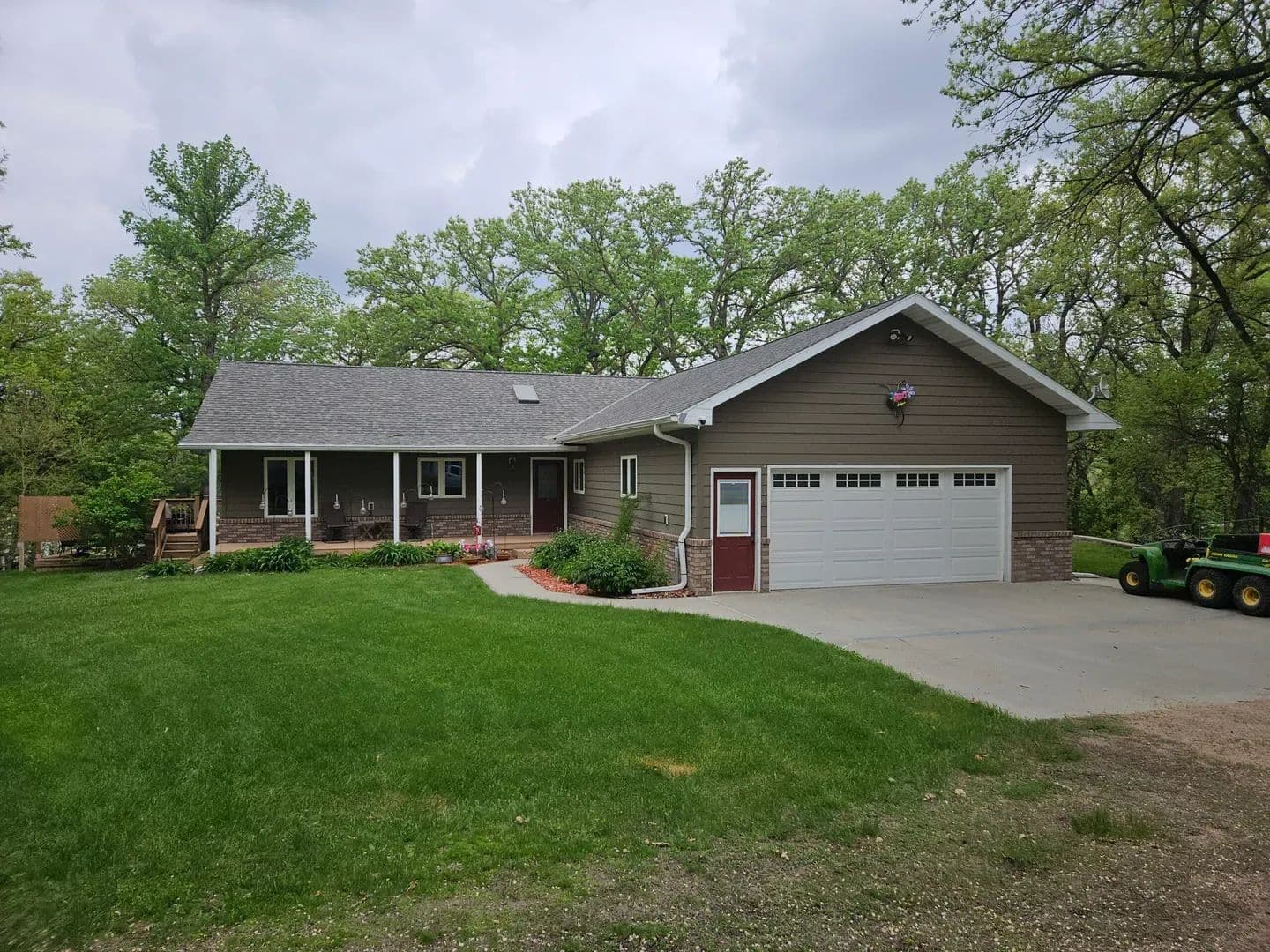
Great location close to Martin Bay. 1985 16 x 76 ft mobile home features 3 bedrooms 2 bathrooms. The spacious kitchen includes breakfast bar with seating for five, enhancing the open floorplan that seamlessly connects to living room. Energy efficient windows throughout the home. Jack n Jill bathroom between 2 bedrooms, walk-in shower in primary bathroom. large primary bedroom. Yearly lot lease and a $3,500 flooring allowance offered to Buyer! Land Mobile home sits on leased ground. Annual rent is $1,300.00. There are nice mature trees in the yard.Improvements Garden shed in back yard for tools.   Property has a large covered wooded deck attached to mobile home.This trailer home boasts an open floorplan with a large eat-in kitchen/dining/living area. Jack n Jill bedrooms with full bath, a large primary bedroom and a 2nd full bath with a separate laundry room. All appliances are included.The old carpeting has been removed and the Sellers are offering a $3,500.00 flooring allowance at Closing providing the Buyer the opportunity to choose their own flooring.Recreation Lake McConaughy, the recreational jewel of western Nebraska, is the largest lake in the state with over 100 miles of shoreline, 35,700 surface acres of water, 24 miles long, 4 miles wide, and is famous for its white sand beaches. Each year, thousands of boaters, campers and outdoor enthusiasts make the Lake McConaughy area their destination for fun! In addition to Lake McConaughy which is fed by the North Platte River, you have Lake Ogallala at 320 surface acres “the little lake” nestled below Kingsley Dam (the 2nd largest earthen dam in the world). These two bodies of water provide endless opportunities for anglers of any skill level, young and old. The vast variety of fish you can catch between these two lakes include; Walleye, White Bass, Stripers, Wipers, Catfish, Northern Pike, Smallmouth Bass, Yellow Perch, Rainbow & Brown Trout. Lake McConaughy can accommodate virtually every type of watercraft you can imagine. Lake McConaughy and the North Platte River Valley also provide tremendous opportunities for hunters. This area is famous for duck and goose hunting. In addition to waterfowl hunting there is small game, varmints, White Tailed Deer, Mule Deer, and Pronghorn in the area.Agriculture N/AWater/Mineral Rights & Natural Resources N/AGeneral Operations N/ARegion & Climate Summer at Lake Mac sees highs in the upper 80°F’s and into the 90°F’s, with lows dipping into the 60°F’s. Couple that with long sunny days, and you’ve got yourself near perfect lake conditions.History “Geography is often destiny.  It has always been so with Ogallala, a town that came into existence at the junction of the major routes of the transcontinental migrations and of the cattle trails north from Texas.”From 1870 to 1885, Ogallala was the “gateway of the Northern Plains”. Hard-bitten Wyoming and Montana cattlemen met in Ogallala’s hotel and saloons with Texas cattle kings and bargained over cattle prices. Gold flowed freely across the table, liquor across the bar, and occasionally blood across the floor as a bullet brought some unlucky cowhand to his death on the floorboards of Tuck’s Saloon.The first non-native visitors to this area were the trappers from St. Louis.Next came the pioneers who followed the Oregon Trail. To protect them, the government established forts at intervals along the trail. Then came the Union Pacific Railroad. It is assumed that Ogallala had its beginning about 1867. Settlers started to follow the railroad west, and the cattlemen started driving their cattle to Ogallala to be shipped east or to be sold to Montana and Wyoming ranchers.Ogallala’s early history was unspectacular, promising to be nothing but a section house and water tank for the railroad. Then, in the spring of 1868, three men appeared to set the destiny of Ogallala. These men were the Lonergan brothers and Louis Aufdengarten. The Lonergan brothers came to do construction work for the Union Pacific Railroad. They found the plains to their liking, and subsequently became interested in Ogallala.By 1876, Ogallala had changed little from its infant days in 1868. The stores were all south of the railroad tracks, and fronted what was called Railroad Street and the trail leading south to the Platte River.  Along this trail extended the rest of the town. The town consisted of saloons with such names as The Cowboy’s Rest and the Crystal Palace. The last building on the street was the Ogallala House – dining room widely patronized because of its excellent fare. It was run by S.S. Gast.By 1880, Ogallala consisted of one courthouse, one school, one hotel, two dwelling houses, and twenty-five permanent residents. The tempo of living in early Ogallala changed with the seasons. During the months of winter and early spring life was drab and dreary. Shortly after the first of June the town began to hum with activity as the first Texas trail herds started to arrive. During the three summer months business boomed – ten to twelve herds, each of two hundred or more trail hands taxed the facilities of Ogallala. Sleeping rooms and meals were hard to find when the trail hands were in town. Activities in Ogallala continued at a fever pitch until the end of August, by then the Texans were heading back to Texas; by November Ogallala had settled back in quiet and peaceful repose.Ogallala’s population of floaters, gamblers, trades-people and dance hall hostesses drifted to Omaha or Cheyenne to spend the winter. One hotel, one supply house and a single saloon remained open for the winter. The community sank into a state of inanimation until next spring.In 1882-1884, the settlers and farmers reached Ogallala. These men were encouraged by the Union Pacific Railroad because the railroad started selling their land at quite low prices.A serious epidemic of Texas fever swept over Nebraska during the summer of 1884. The disease first appeared near Ogallala in July apparently being brought in by Texas cattle. The disease spread quickly and it caused very heavy losses to the cattlemen. The ranchers had started to put expensive blooded bulls in their herds. These ranchers demanded that Texas cattle be excluded from Nebraska. This ban of Texas cattle was a damaging blow to the Texas trail herd business. This was the end of the trail period of Ogallala, as the wild, often violent town became a peaceful farmer’s settlement.Location The property is near Martin Bay boat ramp and beach.   The closest amenities are Box Car Restaurant, Stetson’s Corner store is across the road from Inland Seas.  Ogallala and Interstate 80 is located approximately 12 miles away from the property on Hwy 61

logo
image

Hilltop Lot at Lake Mac

price

$99,000

acres

0.43 Acres

location

Lemoyne, Nebraska, 69146

Location! Location! Hilltop Lot at Lake Mac is exactly what it says, located only a few miles west of the Kingsley Dam and off of Hwy 92, perched on one of the high spots on the north side of beautiful Lake McConaughy.This property boasts easy access to the lake with some breathtaking views.There is electrical service to the property as well as a water well with a submersible pump already on site.Get ready to build your dream home at Lake Mac!Land Hilltop Lot at Lake Mac is 0.43 acres of undeveloped land ready to build on.Improvements Hilltop Lot at Lake Mac is an unimproved lot ready to build on with electrical service and a water well with a submersible pump already in place.The water is sand filtered, very clear and tastes good.Recreation Lake McConaughy, the recreational jewel of western Nebraska, is the largest lake in the state with over 100 miles of shoreline, 35,700 surface acres of water, 24 miles long, 4 miles wide, and is famous for its white sand beaches. Each year, thousands of boaters, campers and outdoor enthusiasts make the Lake McConaughy area their destination for fun! In addition to Lake McConaughy which is fed by the North Platte River, you have Lake Ogallala at 320 surface acres “the little lake” nestled below Kingsley Dam (the 2nd largest earthen dam in the world). These two bodies of water provide endless opportunities for anglers of any skill level, young and old. The vast variety of fish you can catch between these two lakes include; Walleye, White Bass, Stripers, Wipers, Catfish, Northern Pike, Smallmouth Bass, Yellow Perch, Rainbow & Brown Trout. Lake McConaughy can accommodate virtually every type of watercraft you can imagine. Lake McConaughy and the North Platte River Valley also provide tremendous opportunities for hunters. This area is famous for duck and goose hunting. In addition to waterfowl hunting there is small game, varmints, White Tailed Deer, Mule Deer, and Pronghorn in the area.Water/Mineral Rights & Natural Resources The Buyer will receive all appurtenant water rights associated with this property at Closing.Region & Climate Weather HighlightsSummer High: the July high is around 90 degreesWinter Low: the January low is 15Rain: averages 20 inches of rain a yearSnow: averages 30 inches of snow a yearHistory “Geography is often destiny.  It has always been so with Ogallala, a town that came into existence at the junction of the major routes of the transcontinental migrations and of the cattle trails north from Texas.”From 1870 to 1885, Ogallala was the “gateway of the Northern Plains”. Hard-bitten Wyoming and Montana cattlemen met in Ogallala’s hotel and saloons with Texas cattle kings and bargained over cattle prices. Gold flowed freely across the table, liquor across the bar, and occasionally blood across the floor as a bullet brought some unlucky cowhand to his death on the floorboards of Tuck’s Saloon.The first non-native visitors to this area were the trappers from St. Louis.Next came the pioneers who followed the Oregon Trail. To protect them, the government established forts at intervals along the trail. Then came the Union Pacific Railroad. It is assumed that Ogallala had its beginning about 1867. Settlers started to follow the railroad west, and the cattlemen started driving their cattle to Ogallala to be shipped east or to be sold to Montana and Wyoming ranchers.Ogallala’s early history was unspectacular, promising to be nothing but a section house and water tank for the railroad. Then, in the spring of 1868, three men appeared to set the destiny of Ogallala. These men were the Lonergan brothers and Louis Aufdengarten. The Lonergan brothers came to do construction work for the Union Pacific Railroad. They found the plains to their liking, and subsequently became interested in Ogallala.By 1876, Ogallala had changed little from its infant days in 1868. The stores were all south of the railroad tracks, and fronted what was called Railroad Street and the trail leading south to the Platte River.  Along this trail extended the rest of the town. The town consisted of saloons with such names as The Cowboy’s Rest and the Crystal Palace. The last building on the street was the Ogallala House – dining room widely patronized because of its excellent fare. It was run by S.S. Gast.By 1880, Ogallala consisted of one courthouse, one school, one hotel, two dwelling houses, and twenty-five permanent residents. The tempo of living in early Ogallala changed with the seasons. During the months of winter and early spring life was drab and dreary. Shortly after the first of June the town began to hum with activity as the first Texas trail herds started to arrive. During the three summer months business boomed – ten to twelve herds, each of two hundred or more trail hands taxed the facilities of Ogallala. Sleeping rooms and meals were hard to find when the trail hands were in town. Activities in Ogallala continued at a fever pitch until the end of August, by then the Texans were heading back to Texas; by November Ogallala had settled back in quiet and peaceful repose.Ogallala’s population of floaters, gamblers, trades-people and dance hall hostesses drifted to Omaha or Cheyenne to spend the winter. One hotel, one supply house and a single saloon remained open for the winter. The community sank into a state of inanimation until next spring.In 1882-1884, the settlers and farmers reached Ogallala. These men were encouraged by the Union Pacific Railroad because the railroad started selling their land at quite low prices.A serious epidemic of Texas fever swept over Nebraska during the summer of 1884. The disease first appeared near Ogallala in July apparently being brought in by Texas cattle. The disease spread quickly and it caused very heavy losses to the cattlemen. The ranchers had started to put expensive blooded bulls in their herds. These ranchers demanded that Texas cattle be excluded from Nebraska. This ban of Texas cattle was a damaging blow to the Texas trail herd business. This was the end of the trail period of Ogallala, as the wild, often violent town became a peaceful farmer’s settlement.Location Hilltop Lot at Lake Mac is less than 30 minutes from Ogallala and Interstate 80, 3 .5 hours northeast of Denver, CO and 4.5 hours west of Omaha, NEThis property is only minutes away from the lake’s famous white sands beaches, popular boat ramps, restaurants, and bars.

logo
image

4 Minnow North Shore

price

$229,500

acres

0 Acres

location

Lemoyne, Nebraska, 69146

Updated in 1997, this 16x76, 3-bedroom, 2-bath, furnished mobile home has an amazing 16x50 covered fenced patio with an outside kitchen and entertainment area with a TV and ceiling fans. Entertain family and friends inside the home with a spacious kitchen with refrigerator, gas cook stove with double oven, microwave, and dishwasher. Easy-care waterproof vinyl plank flooring in the living room, kitchen, and master bedroom. $1500 yr. lot lease.Land N/AImprovements Trailer skirting has 2.5 inches of spray foam insulation,  Covered patio has insulation.  Sprinkler system is set up with WIFI.  Ring cameras,   The garden shed is fully insulated with finished walls and has electricity.The outdoor kitchen includes refrigerator, griddle, smoker, and grill.Recreation Lake McConaughy, the recreational jewel of western Nebraska, is the largest lake in the state with over 100 miles of shoreline, 35,700 surface acres of water, 24 miles long, 4 miles wide, and is famous for its white sand beaches. Each year, thousands of boaters, campers and outdoor enthusiasts make the Lake McConaughy area their destination for fun! In addition to Lake McConaughy which is fed by the North Platte River, you have Lake Ogallala at 320 surface acres “the little lake” nestled below Kingsley Dam (the 2nd largest earthen dam in the world). These two bodies of water provide endless opportunities for anglers of any skill level, young and old. The vast variety of fish you can catch between these two lakes include; Walleye, White Bass, Stripers, Wipers, Catfish, Northern Pike, Smallmouth Bass, Yellow Perch, Rainbow & Brown Trout. Lake McConaughy can accommodate virtually every type of watercraft you can imagine. Lake McConaughy and the North Platte River Valley also provide tremendous opportunities for hunters. This area is famous for duck and goose hunting. In addition to waterfowl hunting there is small game, varmints, White Tailed Deer, Mule Deer, and Pronghorn in the area.Agriculture N/AWater/Mineral Rights & Natural Resources N/AGeneral Operations N/ARegion & Climate Weather HighlightsSummer High: the July high is around 90 degreesWinter Low: the January low is 15Rain: averages 20 inches of rain a yearSnow: averages 30 inches of snow a yearHistory “Geography is often destiny.  It has always been so with Ogallala, a town that came into existence at the junction of the major routes of the transcontinental migrations and of the cattle trails north from Texas.”From 1870 to 1885, Ogallala was the “gateway of the Northern Plains”. Hard-bitten Wyoming and Montana cattlemen met in Ogallala’s hotel and saloons with Texas cattle kings and bargained over cattle prices. Gold flowed freely across the table, liquor across the bar, and occasionally blood across the floor as a bullet brought some unlucky cowhand to his death on the floorboards of Tuck’s Saloon.The first non-native visitors to this area were the trappers from St. Louis.Next came the pioneers who followed the Oregon Trail. To protect them, the government established forts at intervals along the trail. Then came the Union Pacific Railroad. It is assumed that Ogallala had its beginning about 1867. Settlers started to follow the railroad west, and the cattlemen started driving their cattle to Ogallala to be shipped east or to be sold to Montana and Wyoming ranchers.Ogallala’s early history was unspectacular, promising to be nothing but a section house and water tank for the railroad. Then, in the spring of 1868, three men appeared to set the destiny of Ogallala. These men were the Lonergan brothers and Louis Aufdengarten. The Lonergan brothers came to do construction work for the Union Pacific Railroad. They found the plains to their liking, and subsequently became interested in Ogallala.By 1876, Ogallala had changed little from its infant days in 1868. The stores were all south of the railroad tracks, and fronted what was called Railroad Street and the trail leading south to the Platte River.  Along this trail extended the rest of the town. The town consisted of saloons with such names as The Cowboy’s Rest and the Crystal Palace. The last building on the street was the Ogallala House – dining room widely patronized because of its excellent fare. It was run by S.S. Gast.By 1880, Ogallala consisted of one courthouse, one school, one hotel, two dwelling houses, and twenty-five permanent residents. The tempo of living in early Ogallala changed with the seasons. During the months of winter and early spring life was drab and dreary. Shortly after the first of June the town began to hum with activity as the first Texas trail herds started to arrive. During the three summer months business boomed – ten to twelve herds, each of two hundred or more trail hands taxed the facilities of Ogallala. Sleeping rooms and meals were hard to find when the trail hands were in town. Activities in Ogallala continued at a fever pitch until the end of August, by then the Texans were heading back to Texas; by November Ogallala had settled back in quiet and peaceful repose.Ogallala’s population of floaters, gamblers, trades-people and dance hall hostesses drifted to Omaha or Cheyenne to spend the winter. One hotel, one supply house and a single saloon remained open for the winter. The community sank into a state of inanimation until next spring.In 1882-1884, the settlers and farmers reached Ogallala. These men were encouraged by the Union Pacific Railroad because the railroad started selling their land at quite low prices.A serious epidemic of Texas fever swept over Nebraska during the summer of 1884. The disease first appeared near Ogallala in July apparently being brought in by Texas cattle. The disease spread quickly and it caused very heavy losses to the cattlemen. The ranchers had started to put expensive blooded bulls in their herds. These ranchers demanded that Texas cattle be excluded from Nebraska. This ban of Texas cattle was a damaging blow to the Texas trail herd business. This was the end of the trail period of Ogallala, as the wild, often violent town became a peaceful farmer’s settlement.Location Property is located in Lemoyne, NE which is on the north side of Lake McConaughy in the North Shore Subdivision.20 minutes from Ogallala and Interstate 80, 4.5 hours west of Omaha, 3.5 hours northeast of Denver, CO and 2 hours east of Cheyenne, WY

logo
image

Anderson’s Butte View Ranch

price

$397,750

acres

370 Acres

location

Akron, Colorado, 80720

Anderson's Butte View Ranch is an excellent opportunity to purchase a good grass ranch with well-maintained county road access only 3 miles off Hwy 34 between Akron and Brush.The property is well watered and fenced.The property is currently enrolled in the USDA/FSA Grassland CRP program providing additional income for the Buyer.Don't miss this opportunity to purchase your first ranch or add to your existing operation! Land Anderson’s Butte View Ranch is 370 +/- acres of native grass and expired CRP.The land is level to sloping with a good combination of warm and cool season grasses.The property boasts amazing views of Fremont Butte as well as the South Platte River Valley and on clear days you will be able to see the majority of the Colorado Front Range mountains.Improvements There is electrical service to the property with a well and submersible pump providing water to the stock tanks as well as a nice pole shed and windbreaks for the cattle.There is barbed wire fence around the perimeter of the property as well as several cross fences all in good to average condition.Recreation Anderson’s Butte View Ranch offers endless recreation from hunting small game and varmints to monster plains mule deer and pronghorn. You also have the opportunity to go hiking, biking or having fun on your ATV/UTV all on your own property!Agriculture This property is being operated as a cow/calf ranch.Water/Mineral Rights & Natural Resources All appurtenant water rights and any mineral rights that the seller currently owns on this property will transfer to the buyer at Closing.General Operations Cattle RanchRegion & Climate Anderson’s Butte View Ranch is located in northwestern Washington County on the Eastern Plains of Colorado in an area that normally receives 14″ of annual rainfall, with low humidity and almost 300 days of sunshine per year.History The Eastern Plains of Colorado  have long been the hunting grounds for Native Americans and early settlers, once tens of thousands of bison roamed these grass covered rolling hills and lush stream bottoms. The area was also grazing territory for the historic cattle drives from Texas to Montana.  Most recently this area has mainly been utilized for ranching or dryland farming.Fremont Butte which lies just northeast of the property has its own history and of a possible Indian battle.Fremont Butte is about 7 miles northwest of Akron and was named after the explorer John C. Fremont.There is little information about the skirmish, if in fact there was one.The best information available is from a 1974 publication, “Colorado Prairie Tales,” by Hildred Walters. The author’s note says that the book tries to preserve legends of northeastern Colorado and that the tales “have a background in fact, but it is not our intention to call them history.”According to the book, legend has it that in the mid-1800s, a group of men, possibly with a few Pawnee Indian guides, took refuge on the butte to escape a group of Cheyenne or Arapaho Indians. If the Indian guides were Pawnees, that could be a reason for the skirmish, as they often fought with the Arapaho and Cheyenne.It is not clear whether the men were conducting business in the area or if they were soldiers on a scouting expedition.After the men took refuge on the butte, they were trapped there by the Indians. The Indians tried to scale the butte to attack but were repelled by the men’s guns. The men sought help – through either a runner or a mirror signal – to Fort Morgan, which was about 40 miles away. After troops arrived, the Indians dispersed.It is possible that the butte became a burial ground for the frontiersmen or soldiers who died there.The original legend held that John C. Fremont was the leader of the group, but his diaries do not indicate any such event. If there was such an incident, Fremont was probably not involved.Sources: “Colorado Prairie Tales” by Hildred Walters; Akron Public Library; Denver Public Library; Colorado Historical Society; Washington County MuseumCompiled by Bonnie GilbertLocation Anderson’s Butte View Ranch is located just 3 miles north of US Hwy 34 about halfway between the communities of Akron and Brush.The property is 10 minutes from Akron, the County Seat of Washington County and home to the Colorado Plains Regional Airport, approximately 20 minutes from Brush and I-76, 40 minutes from Sterling and an hour and a half from Denver and DIA , Greeley and/or most of the northern front range.

logo